How to Improve Gut Health: 12 Science-Backed Habits for a Healthier Digestive System

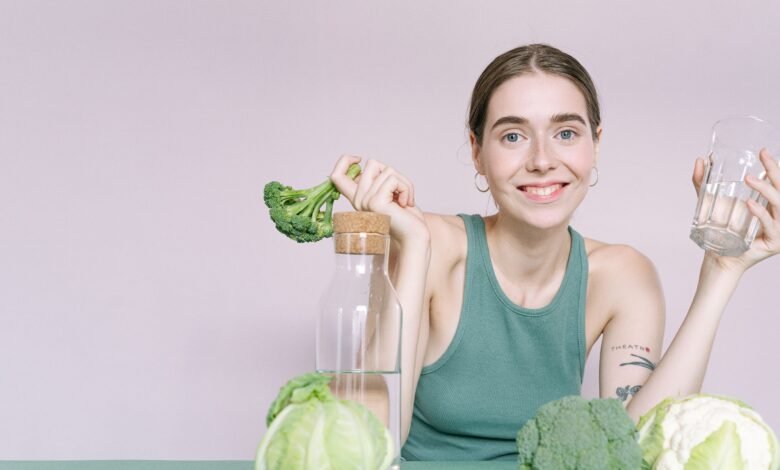
The best way to improve gut health is to eat more fibre and a wider variety of plants, drink enough fluid, move daily, sleep at least seven hours, manage stress and use antibiotics and probiotics wisely. Most changes take weeks, not days, and none of them need a cleanse or a costly supplement. How to Improve Gut Health This guide explains what the gut is, how to spot problems, 12 habits with real numbers, a 7-day meal plan and when to see a doctor.
What Is Your Gut, and What Is the Microbiome?
Your gut, or gastrointestinal (GI) tract, is one long tube that runs from your mouth to your anus. How to Improve Gut Health It includes the oesophagus, stomach, small intestine and large intestine (colon). The liver, pancreas and gallbladder are not part of the tube itself. They are accessory organs that release bile and digestive enzymes into it.
The word “gut health” also covers the microbiome: the community of bacteria, fungi, viruses and other microbes that live mostly in your large intestine. How to Improve Gut Health One widely cited estimate puts the body at roughly 38 trillion bacteria, a number close to the count of human cells. Every person’s mix is different, and a diverse community is generally linked with better health.
Why Gut Health Matters
A well-functioning gut does far more than move food along. How to Improve Gut Health Understanding the main jobs makes it clear why it is worth looking after.
- Digestion and nutrient absorption. Gut bacteria ferment fibre your own enzymes cannot break down, and produce short-chain fatty acids such as butyrate, a key fuel for the cells lining the colon.
- Immune balance. A large share of the body’s immune tissue sits along the gut wall, and the microbiome helps train it to tell harmless food from real threats.
- Gut-brain communication. The gut and brain talk through the vagus nerve, hormones and immune signals. How to Improve Gut Health This is one reason stress can cause cramps or diarrhoea, and why gut symptoms often worsen when you are anxious.
- Regular bowel habits. Fibre, fluid and movement keep stools soft and regular, which lowers the risk of constipation and haemorrhoids.
A note on evidence: research linking the microbiome to heart disease, mood and weight is promising but still developing. How to Improve Gut Health Much of it comes from observational or animal studies, so no food or supplement can promise to “fix” these conditions. The habits below are the ones with the strongest support.
Signs of an Unhealthy Gut: Everyday Symptoms vs Warning Signs
There is no single test for “bad gut health”. How to Improve Gut Health The signs below are common and usually harmless, but they are not all equal. Everyday symptoms often respond to the habits in this guide. Warning signs need a medical check, not a diet change.
| Everyday symptoms (try the habits below) | What it may suggest | Warning signs (see a doctor) |
| Occasional bloating or gas | Low fibre variety, fast eating, food intolerance | Blood in stool or black, tarry stools |
| Constipation (fewer than three stools a week) | Low fibre or fluid, little movement | Unexplained weight loss |
| Loose stools now and then | Diet changes, stress, infection | Trouble or pain when swallowing |
| Heartburn or irregular appetite | Large late meals, trigger foods | Persistent vomiting or severe abdominal pain |
| Tiredness and poor sleep alongside gut upset | Stress, irregular routine | Symptoms that wake you at night or last for weeks |
Symptoms like brain fog, skin rashes or joint pain are sometimes blamed on the gut, but they have many causes. How to Improve Gut Health If they persist, get them checked rather than assuming a gut problem.
Habit 1: Eat More Fibre, and Build Up Slowly
Fibre is the main food for your gut bacteria, yet most adults eat roughly half of what is recommended. How to Improve Gut Health Targets vary by country: US guidance gives about 25 g a day for women and 38 g for men, while UK guidance is 30 g for adults. A realistic goal is to move toward 25 to 30 g.
Raise your intake by a few grams a week, not overnight, and drink more fluid as you do. Jumping from low to high fibre quickly is the most common cause of gas and bloating. How to Improve Gut Health Good sources include oats, beans, lentils, whole-wheat bread, brown rice, berries, pears with skin, broccoli and chia seeds.
Habit 2: Aim for Variety, Not Just Volume
Different microbes feed on different plant fibres, so variety matters as much as quantity. How to Improve Gut Health In a large citizen-science study, people who ate 30 or more different plant foods a week had more diverse gut microbiomes than those who ate 10 or fewer. Count fruit, vegetables, whole grains, beans, nuts, seeds, herbs and spices.
Easy ways to add variety: choose a mixed bean tin, add a handful of seeds to porridge, keep a bag of mixed frozen vegetables, and swap one grain a week (barley, quinoa, bulgur).
Habit 3: Drink Enough Fluid
Fluid keeps stools soft, and fibre works best with it. How to Improve Gut Health Guidance differs by country, so use one clear target. UK advice is about 6 to 8 glasses a day, roughly 1.5 to 2 litres. US guidance for total water, including food, is about 2.7 litres a day for women and 3.7 litres for men. Water, milk, herbal tea and soups all count. Needs rise in hot weather and with exercise.
Habit 4: Eat Slowly and Regularly
Chewing thoroughly and eating without rushing helps digestion begin properly in the mouth. How to Improve Gut Health Try to sit down for meals, put your fork down between bites and stop when comfortably full. Large, late-night meals are a common trigger for reflux, so leave two to three hours between dinner and bed. Eating at fairly regular times also supports a steady gut rhythm.
Habit 5: Add Fermented Foods
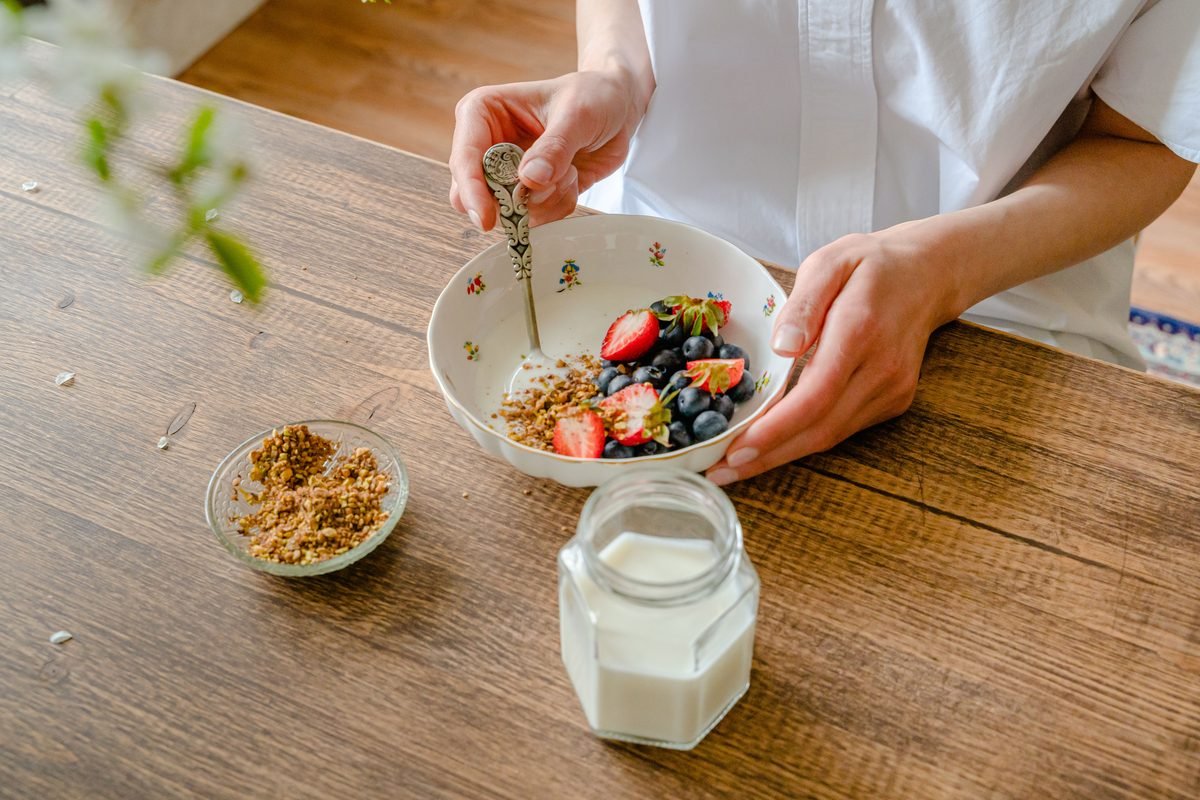
Fermented foods contain live microbes and may increase microbiome diversity. In a 2021 Stanford trial, adults who ate more fermented foods for ten weeks showed greater microbial diversity and lower markers of inflammation than those who simply ate more fibre. How to Improve Gut Health Good choices are plain yoghurt or kefir with “live and active cultures”, kimchi, sauerkraut and miso. If you are lactose intolerant, kimchi, sauerkraut and kombucha are dairy-free options.
Check the label. Only products that are fermented and not heat-treated afterwards still contain live microbes. Pickles made with vinegar, shelf-stable sauerkraut and baked sourdough bread are not probiotic foods. Start with a spoonful a day and watch for bloating.
Habit 6: Feed Your Bacteria With Prebiotics
Prebiotics are fibres and compounds that selectively feed helpful microbes. How to Improve Gut Health Not all fibre is prebiotic, but many plant foods are rich in the kinds that are. Onions, garlic, leeks, asparagus, Jerusalem artichokes, under-ripe bananas, oats, barley, chickpeas and lentils all qualify. Cooked and cooled potatoes and rice also contain resistant starch, which gut bacteria ferment. Introduce these gradually, because they can cause gas at first.
Habit 7: Use Probiotic Supplements Only With a Purpose
Probiotics are live microbes taken in specific doses, and their effects are strain-specific. A strain that helps one condition may do nothing for another. The best evidence is for preventing antibiotic-associated diarrhoea, with strains such as Lactobacillus rhamnosus GG and Saccharomyces boulardii among the most studied. Evidence for general “gut balance” in healthy people is weaker.
If you try one, pick a product that names the strain and dose, take it for four weeks and judge whether symptoms improved. Speak to a doctor first if you are pregnant, have a weakened immune system or are seriously ill.
Habit 8: Cut Back on Ultra-Processed Food and Added Sugar
Diets high in ultra-processed foods tend to be low in fibre and high in added sugar, refined starch and certain additives. How to Improve Gut Health Heavy intake of these foods is linked with a less diverse microbiome and poorer health, although cause and effect are still being studied. You do not need to ban them. Aim to make whole or minimally processed foods the base of most meals, and keep sweets, sugary drinks and packaged snacks occasional.
Habit 9: Move Your Body Every Day
Exercise helps food move through the gut and may modestly improve microbial diversity. How to Improve Gut Health The standard adult target is 150 minutes of moderate activity a week, such as brisk walking or cycling, plus two muscle-strengthening sessions. A 10 to 15 minute walk after meals is a simple way to ease bloating and support digestion. Moderate, regular movement is enough. Extreme endurance training can actually trigger gut symptoms in some people.
Habit 10: Protect Your Sleep
Poor and irregular sleep is linked with disrupted gut function and microbial changes. Adults should aim for at least seven hours a night, and older adults (65+) typically do well on seven to eight. Keep a regular bedtime and wake time, and avoid heavy meals close to bed.
Habit 11: Manage Stress
Because the gut and brain are closely connected, ongoing stress can slow or speed digestion and worsen conditions such as irritable bowel syndrome (IBS). How to Improve Gut Health Practical tools include daily walking, slow diaphragmatic breathing, time outdoors and good sleep. For IBS symptoms that persist, ask a doctor about gut-directed cognitive behavioural therapy or hypnotherapy, both of which have clinical evidence.
Habit 12: Use Antibiotics Wisely and Keep Alcohol in Check
Antibiotics save lives, but they also disturb gut bacteria. Take them only when prescribed, finish the course unless your doctor says otherwise, and never press for them for a cold or flu. How to Improve Gut Health During and after a course, eat plenty of fibre and fermented foods. If you take a probiotic, many clinicians suggest spacing it a couple of hours from the antibiotic dose, though research on timing is limited.
Alcohol can irritate the gut lining and alter the microbiome. How to Improve Gut Health Stay within national low-risk limits (14 units a week in the UK), and have alcohol-free days.
Probiotics vs Prebiotics vs Fermented Foods
These three terms are often mixed up. The table shows how they differ.
| Probiotics | Prebiotics | Fermented foods | |
| What they are | Live microbes given in a defined dose | Fibres and compounds that feed helpful microbes | Foods made by microbial fermentation |
| Examples | Supplement strains such as L. rhamnosus GG | Onion, garlic, leeks, oats, beans, asparagus | Yoghurt, kefir, kimchi, sauerkraut, miso |
| Contain live microbes? | Yes | No | Only if not heat-treated afterwards |
| Main use | Specific conditions, such as antibiotic-associated diarrhoea | Daily feeding of your own bacteria | General diversity and variety |
| Watch out for | Strain and dose matter; not for everyone | Gas if increased too fast | Salt, sugar (kombucha), histamine sensitivity |
Foods to Limit, and Smart Swaps
No food is “forbidden”, but some are worth keeping occasional. How to Improve Gut Health Note that the effect of any one food depends on the amount, your overall diet and your own tolerance.
| Limit | Why | Swap for |
| Sugary drinks and sweets | Add sugar with no fibre | Water, sparkling water with fruit, whole fruit |
| Processed meats (sausages, bacon, deli meats) | Low in fibre, high in salt and additives | Beans, lentils, fish, eggs, skinless poultry |
| White bread, white pasta, refined snacks | Stripped of most fibre | Whole-grain bread and pasta, oats, brown rice |
| Deep-fried and very fatty foods | Can worsen reflux and loose stools | Baked, grilled or steamed versions |
| Excess alcohol | Irritates the gut lining | Alcohol-free days, smaller servings |
| Personal trigger foods | Vary by person (for example lactose or onion) | Track symptoms; ask a dietitian before cutting groups |
If you have IBS, a low-FODMAP diet can help identify triggers, but it works best with a dietitian and is meant to be temporary, not permanent.
A 7-Day Gut-Friendly Meal Plan
This sample plan reaches roughly 30 different plant foods in a week and includes fermented foods most days. How to Improve Gut Health Adjust portions to your appetite and any allergies.
| Day | Breakfast | Lunch | Dinner |
| Mon | Oats with berries, chia and plain yoghurt | Lentil soup with whole-grain bread | Salmon, brown rice, steamed broccoli |
| Tue | Whole-grain toast, avocado, egg | Chickpea and vegetable salad with olive oil | Chicken stir-fry with mixed vegetables and kimchi |
| Wed | Kefir smoothie with banana and flaxseed | Bean and sweet potato burrito bowl | Vegetable and tofu curry with quinoa |
| Thu | Porridge with chopped apple, walnuts, cinnamon | Tuna, white bean and rocket salad | Miso soup, baked cod, greens |
| Fri | Plain yoghurt, mixed seeds, pear | Whole-wheat wrap with hummus and roasted vegetables | Bean chilli with brown rice |
| Sat | Veg omelette with mushrooms and spinach | Barley and roasted vegetable salad | Grilled chicken, cooled potato salad, sauerkraut |
| Sun | Overnight oats with kiwi and pumpkin seeds | Minestrone with beans | Roast vegetables, lentils and leeks |
For snacks, choose fruit, nuts, carrot sticks with hummus or a small pot of yoghurt. Drink water or herbal tea throughout the day.
How Long Does It Take to Improve Gut Health?
Gut bacteria respond quickly to diet. How to Improve Gut Health Research has shown measurable microbiome shifts within a few days of a major diet change, but those shifts fade if you go back to old habits. Lasting change comes from consistent routines.
- First two to four weeks: many people notice more regular stools and less bloating as fibre and fluid rise.
- One to three months: a steadier routine, better sleep and a wider range of plant foods tend to show up in energy and comfort.
- Ongoing: the gains last only as long as the habits do.
If symptoms have not improved after several weeks of consistent changes, speak to a doctor rather than adding more supplements.

Gut Health Advice by Age and Life Stage
- Children: need less fibre than adults. Build it up through fruit, vegetables, beans and whole grains. Do not give probiotics or supplements without paediatric advice, and see a doctor for constipation that keeps returning or any blood in stools.
- Older adults: constipation is more common, thirst can fade, and some medicines (iron tablets, certain painkillers and antacids) affect digestion. How to Improve Gut Health Increase fibre gradually, keep fluids up, stay active and check with a doctor before starting fibre supplements.
- Pregnancy: constipation and reflux are common. Raise fibre and fluids gradually and ask your midwife or doctor before using any probiotic or herbal product.
When to See a Doctor
Book a medical appointment, rather than relying on diet, if you have any of the following:
- Blood in your stool, or black, tarry stools
- Unexplained weight loss
- Difficulty or pain when swallowing
- Persistent vomiting, a swollen abdomen or severe or ongoing abdominal pain
- A new, lasting change in bowel habits, especially if you are over 50
- Symptoms that wake you at night, or that last longer than a few weeks
- Signs of anaemia such as unusual tiredness and paleness
- A close relative with bowel cancer, inflammatory bowel disease (IBD) or coeliac disease
A doctor may suggest blood tests, stool tests or a scope, and can rule out conditions such as coeliac disease, IBD and, in some cases, bowel cancer. How to Improve Gut Health Do not start a restrictive diet before testing for coeliac disease, because it can affect the result.
Frequently Asked Questions About Gut Health
What is the fastest way to improve gut health?
There is no overnight fix. Raise fibre gradually, add variety, drink enough fluid and walk daily. Most people feel better within two to four weeks.
Do I need a gut cleanse or detox?
No. Your liver, kidneys and bowel already clear waste. Cleanses and “detox” teas can cause dehydration and diarrhoea, and have no proven benefit for gut health.
Is apple cider vinegar a probiotic?
No. It may contain traces of bacteria, but it is not a reliable probiotic food and has no strong evidence for gut health.
Are probiotic supplements worth taking?
Only for a specific reason, such as preventing diarrhoea during antibiotics. For general health, fibre and fermented foods give you more for less money.
Can stress really affect my gut?
Yes. The gut and brain are linked by nerves and hormones, so stress can change motility and sensitivity. Stress management is a genuine gut-health habit.
Conclusion: How to Improve Gut Health
If you want to know how to improve gut health, start with the basics: more fibre and plant variety, enough fluid, regular movement, good sleep and lower stress, with careful use of antibiotics and supplements. How to Improve Gut Health Make one or two changes a week rather than ten at once, and let your body adjust. Persistent or alarming symptoms always deserve a medical check.
This article is for general information and does not replace advice from your doctor or dietitian.