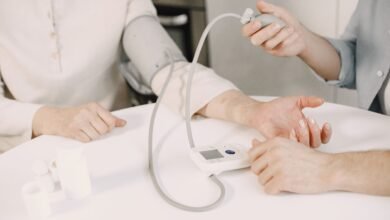
Signs of Low Testosterone in Men: Low T Symptoms, Causes, Testing, and Treatment


Testosterone is the main male sex hormone. It supports sexual development, sperm production, muscle strength, bone health, red blood cell production, and parts of mood and energy. Signs of Low Testosterone Levels shift naturally over a lifetime, but low testosterone in men can affect physical, sexual, and emotional well-being when levels stay unusually low.
The signs of low testosterone are not always obvious. Some men notice a lower sex drive, erection problems, or weaker muscles. Others feel constantly tired, moody, or unfocused, or see their facial hair thin out. Because low T symptoms build slowly, they are easy to blame on aging, stress, or a busy lifestyle. Many men end up wondering, “I think I have low testosterone,” without knowing what to do next.
Having some symptoms of low testosterone does not prove your levels are low. Sleep problems, depression, thyroid disorders, diabetes, and medication side effects can cause the same changes. Signs of Low Testosterone This guide covers the early signs of low testosterone, the common symptoms of low testosterone in men, what causes testosterone deficiency, how a low testosterone test works, and which low testosterone treatment options doctors may consider.
What Is Low Testosterone?
Low testosterone, often called low T, is also known as testosterone deficiency, androgen deficiency, male hormone deficiency, or male hypogonadism. Doctors also use the term hypogonadism in men. It means the body makes too little testosterone to support normal function. Signs of Low Testosterone The testicles produce most of the hormone, while the hypothalamus and pituitary gland send the signals that control how much is made. A lack of testosterone, or a drop in testosterone beyond normal variation, can affect many body systems.
In adult men, testosterone helps with:
- Sexual desire and sexual function
- Muscle mass and strength
- Bone density
- Sperm production
- Red blood cell production
- Facial and body hair
- Mood, motivation, and energy
Normal testosterone levels differ from man to man and change with age, sleep, illness, and medication. Signs of Low Testosterone Men’s testosterone levels are measured with a blood sample, and a result below a lab’s reference range does not automatically confirm low testosterone levels. Doctors usually make a low testosterone diagnosis only when a man has matching symptoms plus consistently low readings on proper testing. A single low result is rarely enough.
12 Common Signs of Low Testosterone in Men
Low testosterone signs can appear in many parts of the body. Some physical signs of low testosterone point toward testosterone deficiency more strongly than others, but none can confirm it alone.
1. Reduced Sex Drive
A clear drop in sexual desire is one of the most common low testosterone symptoms. A man may think about sex less often or feel less interested in intimacy, and the change can affect relationships and confidence. Signs of Low Testosterone The link between low testosterone and sex is real, but libido also depends on stress, sleep, relationship issues, and general health. A lasting, unexplained decline deserves a medical check.
2. Difficulty Getting or Keeping an Erection
Testosterone supports sexual function, but it is only one part of the erection process. Some men with low T find it harder to get or maintain an erection. Signs of Low Testosterone Erectile dysfunction more often comes from blood vessel disease, diabetes, nerve problems, heart conditions, medication side effects, or psychological stress. Low T may contribute, especially when low libido is also present, and a doctor can help work out which cause is more likely.
3. Fewer Morning or Spontaneous Erections
Morning and spontaneous erections are normal body events, and men with testosterone deficiency sometimes notice them less often. Sleep changes, stress, age, and general health can also reduce them. When fewer erections appear alongside low libido or fatigue, it is worth raising with a healthcare professional.
4. Ongoing Tiredness and Low Energy
Feeling worn out even after enough rest is one of the common signs of low testosterone. Men may describe poor stamina, low motivation, or tasks that once felt easy now feeling heavy. Fatigue is nonspecific, and sleep apnea, anemia, depression, thyroid disease, and chronic illness can all cause it. Persistent tiredness should not be blamed on testosterone until a wider health review is done.
5. Loss of Muscle Mass and Strength
Testosterone helps build and maintain muscle. When levels stay low, some men gradually lose muscle size or strength, and workouts feel harder even when training stays the same. Inactivity, aging, too little protein, and chronic disease also cause muscle loss, so a doctor should assess whether testosterone is involved.
6. Increased Body Fat
Some men with low T gain fat, especially around the waist, while finding it harder to keep muscle. The link works both ways, because extra body fat and obesity can lower testosterone too. Weight gain alone cannot confirm low testosterone, and diet, activity, sleep, medication, and metabolic health all need to be considered.
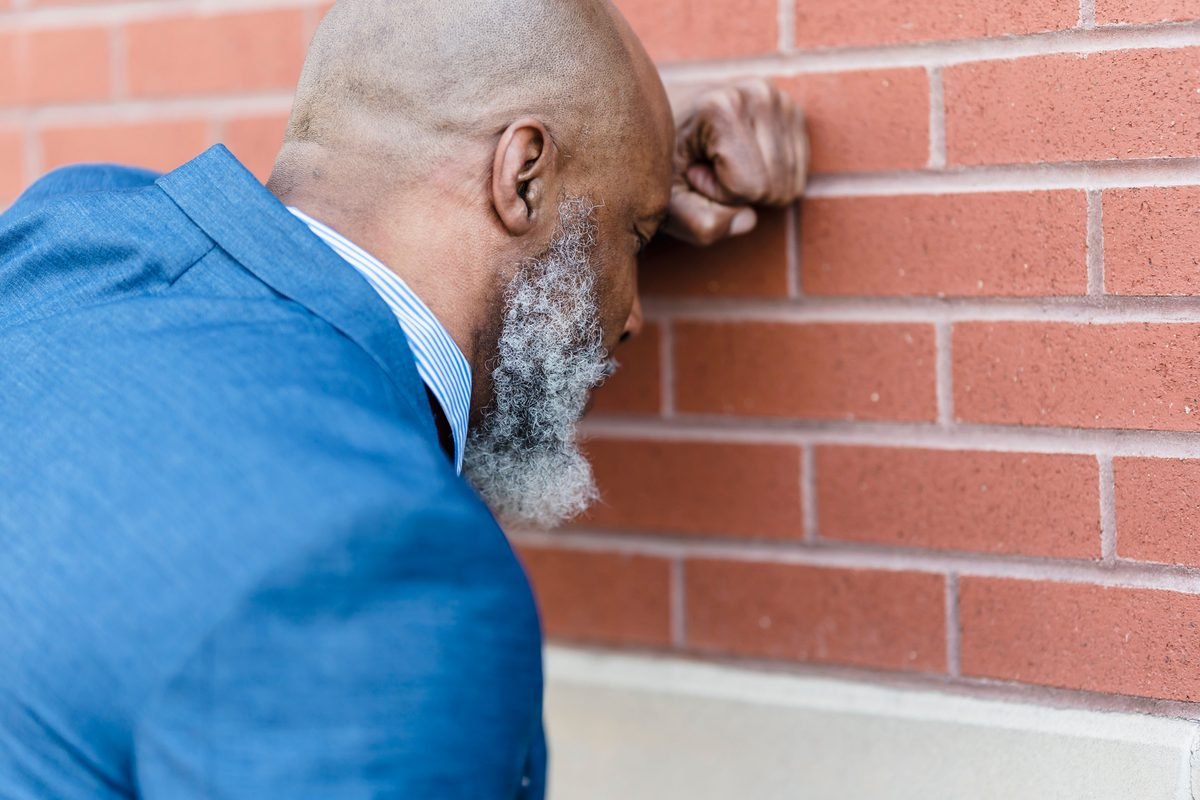
7. Mood Changes, Irritability, and Anxiety
Testosterone may influence emotional well-being. Low testosterone emotional symptoms can include irritability, low mood, reduced motivation, and less confidence, and some men list low testosterone and anxiety together. Low testosterone mental symptoms are not specific, since depression, chronic stress, relationship strain, and sleep disorders look much the same. Persistent or severe mood changes need attention whether or not testosterone is involved.
8. Trouble Concentrating and Memory Changes
Some men report brain fog, mental tiredness, or forgetfulness. Research on testosterone and thinking skills is mixed, and lack of sleep, stress, depression, and medication effects are common causes of the same problems. Signs of Low Testosterone A doctor can look for the real cause instead of assuming a hormone link.
9. Lower Bone Density
Testosterone helps keep bones strong, so the relationship between bone density and testosterone matters for long-term health. Long-standing deficiency can reduce bone mineral density and raise fracture risk. Signs of Low Testosterone Early bone loss usually causes no symptoms, and some men only learn about it after a fracture. A doctor may suggest a bone density scan depending on risk factors.
10. Less Facial and Body Hair
Testosterone supports male-pattern hair growth. With significant deficiency, low testosterone facial hair changes may appear, such as slower beard growth or thinner hair on the chest, arms, or legs. Genetics, age, and skin conditions also affect hair, so this sign alone is not enough for a diagnosis.
11. Breast Tissue Enlargement or Tenderness
Hormone imbalance can cause gynecomastia, which is enlargement of breast tissue in men. It may feel like a firm lump under the nipple, with tenderness or visible swelling. Medications, liver disease, and thyroid conditions can also cause it. Signs of Low Testosterone A new breast lump, nipple discharge, or lasting pain should always be checked.
12. Reduced Fertility or Lower Sperm Production
Testosterone matters for reproduction, but fertility depends on more than the blood level. Signs of Low Testosterone The testicles need signals from the pituitary gland and hypothalamus to make sperm, and a man can have normal testosterone and still have fertility problems. Testosterone replacement therapy can also suppress the body’s own signals and reduce sperm counts, so men who want children should discuss fertility goals before starting any treatment.
What Causes Low Testosterone?
The causes for low testosterone fall into two main groups. Some affect the testicles directly, while others disrupt the brain signals that control production.
Primary Hypogonadism
Primary hypogonadism means the testicles cannot make enough testosterone even though the brain is sending the right signals. Possible causes include:
- Genetic conditions that affect testicular development
- Testicular injury or surgery
- Infections that damage testicular tissue
- Chemotherapy or radiation
- Other conditions that affect testicular function
In this type, blood tests often show high luteinizing hormone (LH) and sometimes high follicle-stimulating hormone (FSH).
Secondary Hypogonadism
Secondary hypogonadism happens when the hypothalamus or pituitary gland fails to send the signals needed for normal production. Possible causes include:
- Pituitary disorders and tumors, which is why a low testosterone pituitary cause is always considered
- Head injuries
- Some chronic illnesses
- Severe obesity
- Certain medications, including opioid pain medicines and glucocorticoids
- Major nutritional deficiencies or extreme physical stress
In secondary hypogonadism, LH and FSH may be low or inappropriately normal despite low testosterone. Chronic stress may also play a part, as cortisol and low testosterone are associated in some men, though the relationship is complex.
Age and Low Testosterone
Levels can decline slowly with age, but low testosterone in older men is not inevitable, and many never develop clinically important deficiency. Signs of low testosterone in men over 40 or low testosterone in men over 50 should be judged on symptoms, history, and proper blood tests, not on age alone. Low testosterone in young men also happens, and low testosterone in 20s and 30s can come from pituitary problems, genetic conditions, obesity, or medication use. Young men with persistent symptoms deserve a proper evaluation.
Obesity, Sleep, and Chronic Illness
Obesity and type 2 diabetes are linked to lower testosterone, and better metabolic health may help some men raise their levels. Poor sleep and obstructive sleep apnea are also associated with lower levels. Signs of Low Testosterone A temporary drop in testosterone can follow a serious illness, so testing during acute sickness may not show your usual status.
How Is Low Testosterone Diagnosed?
A low T diagnosis takes more than one blood test. Doctors weigh symptoms, medical history, physical findings, and lab results together.
Symptom and History Review
The doctor asks about sexual function, energy, mood, muscle strength, fertility, medications, sleep, alcohol use, weight changes, and past injuries or surgeries. This helps decide whether a low testosterone test is appropriate.
Blood Testing
A blood test for low testosterone measures total testosterone. It is generally done in the morning, when levels are highest. The Endocrine Society recommends confirming a low result with a repeat morning fasting test on another day. American Urological Association guidance commonly treats testosterone under 300 ng/dL as a clinical threshold, but a number should never be read alone. Doctors also consider symptoms, repeat results, and lab methods when they test testosterone levels.
Some men worry about a low testosterone blood test result taken on a bad day. That is why repeat testing matters, since sleep, food, illness, and medication can all change a reading.
Free Testosterone and Other Tests
Most testosterone in the blood is attached to proteins, mainly sex hormone-binding globulin (SHBG). Only a small part is free testosterone. Signs of Low Testosterone A doctor may check for low free testosterone when total testosterone is borderline or SHBG is likely to be altered, because low total testosterone and low free testosterone do not always match.
If low testosterone is confirmed, further tests may include:
- LH and FSH: Help separate primary from secondary hypogonadism.
- Prolactin: Checked if a pituitary cause is suspected.
- SHBG: Helps interpret total and free testosterone.
- Other tests: Thyroid, iron, or pituitary investigations when symptoms suggest them.
Treatment for Low Testosterone
Treatment for low testosterone in males depends on the cause, symptom severity, overall health, and fertility goals. Not every man with a low result needs treatment, and a doctor should first confirm that symptoms and tests support a diagnosis.
Treating the Underlying Cause
When low testosterone is tied to another condition, treating that condition often comes first. A doctor may review medications, investigate a suspected pituitary disorder, or manage an associated illness. Signs of Low Testosterone Never stop prescribed medication without medical advice.
Lifestyle Measures
Healthy habits support general health and may help some men’s testosterone:
- Maintaining a healthy weight
- Regular exercise, including resistance training
- Enough consistent sleep
- A balanced diet
- Limiting heavy alcohol use
- Avoiding anabolic steroid misuse
- Managing chronic conditions
These steps are not a guaranteed cure, and men whose testicles or pituitary cannot make enough hormone may need medical hypogonadism treatment.
Testosterone Replacement Therapy
Testosterone replacement therapy, also called TRT treatment or TRT therapy, may be considered when a man has matching symptoms and consistently low levels after a proper evaluation. TRT for men aims to bring testosterone into an appropriate range and relieve symptoms of confirmed deficiency. Signs of Low Testosterone Doctors may also call it testosterone therapy, low testosterone therapy, or hormone therapy for low testosterone. Forms include:
- Gels: Applied to the skin as directed.
- Testosterone injections: Given at intervals set by the plan, sometimes called low testosterone injections.
- Patches: Applied to the skin and replaced as instructed.
- Other options: Pellet treatment for low testosterone and some oral products exist in certain countries.
Each form has its own pros, cons, and side effects. The low testosterone treatment cost varies by country, product, and follow-up testing, so it is best discussed with the prescribing clinician. Signs of Low Testosterone This medical testosterone treatment should only be started under supervision, not self-directed.
Possible Benefits
For confirmed deficiency, testosterone treatment may improve sexual desire, lean body mass, bone density, and some anemia-related measures. Response varies, and low T treatment does not reliably fix fatigue, erectile dysfunction, or mood changes that have another cause.
Risks and Monitoring
Possible side effects include higher red blood cell count, acne or oily skin, fluid retention, breast tenderness, worsening of some sleep-related breathing problems, reduced sperm production, and changes in prostate-related tests. Signs of Low Testosterone Monitoring may include testosterone levels, blood counts, symptoms, and prostate assessment. TRT is not suitable for everyone. Certain prostate or breast cancers, high hematocrit, untreated severe sleep apnea, and near-term fertility plans may rule it out or call for a specialist. A testosterone specialist, urologist, or endocrinologist can guide these decisions.
Treatment and Male Fertility
Testosterone taken as medication can suppress the signals that stimulate the testicles, lowering sperm production and sometimes causing infertility. Men planning to have children should discuss this before starting, and the right male hypogonadism treatment may differ if fertility is a priority.
What Happens If Low Testosterone Is Untreated?
The effects of untreated low testosterone depend on its cause, severity, and duration. Some men live with ongoing sexual symptoms, muscle loss, and changes in mood and energy. Signs of Low Testosterone Chronic low testosterone may also affect bone density and contribute to anemia in some cases. Very low testosterone or severe testosterone deficiency carries more risk, though outcomes depend on overall health. Evaluation shows whether deficiency is present and whether treatment is likely to help.
When Should You See a Doctor?
Consider an appointment if you have persistent symptoms such as:
- A clear, ongoing drop in sexual desire
- New or worsening erection problems
- Unexplained fatigue that disrupts daily life
- Loss of muscle strength or mass
- Lasting low mood or trouble concentrating
- Reduced facial or body hair with other symptoms
- Fertility concerns
- A history of testicular injury, pituitary disease, or hormone-affecting treatment
Even low testosterone but no symptoms can matter if you have risk factors such as pituitary disease. Seek prompt care for a new breast lump, significant testicular pain or swelling, severe headaches with vision changes, or any sudden concerning symptom.
Frequently Asked Questions About Low Testosterone
What are the first signs of low testosterone in men?
Early signs of low testosterone include a lower sex drive, fewer morning erections, ongoing tiredness, and mood changes. Signs of Low Testosterone Some men also notice weaker workouts or difficulty keeping muscle. None of these can confirm low testosterone without a medical evaluation and blood testing.
What are the side effects of low testosterone in men?
The side effects of low testosterone in men can include sexual problems, fatigue, muscle loss, extra body fat, mood changes, and lower bone density over time. Signs of Low Testosterone Many of these overlap with other conditions, so a low testosterone problem should be confirmed by testing.
Can low testosterone cause erectile dysfunction?
It can contribute to sexual difficulties in some men, but erectile dysfunction is often linked to heart disease, diabetes, medication effects, and psychological factors. Signs of Low Testosterone A medical assessment can find the cause.
What testosterone level is considered low?
Many guidelines use a total testosterone below about 300 ng/dL, confirmed with repeat morning testing, along with matching symptoms. Normal testosterone for men varies, so results should be read by a doctor.
Does testosterone decrease with age?
Levels may fall slowly with age, but clinically significant deficiency is not inevitable. Older men with lasting symptoms should be assessed instead of assuming age is the only explanation.
Can low testosterone affect fertility?
Yes. Conditions that disrupt hormone signaling can reduce sperm production, and testosterone replacement therapy can lower sperm counts. Discuss fertility before starting treatment.
Conclusion
The signs of low testosterone can affect sexual health, strength, energy, mood, and general well-being. Common low T symptoms include reduced sex drive, erection problems, fatigue, muscle loss, extra body fat, and changes in mood or concentration. Because these symptoms also come from many other conditions, low testosterone should not be diagnosed from symptoms alone or from one blood test. A proper evaluation combines history, repeat morning testing, and extra tests when needed. Treatment depends on the cause, individual health, and fertility goals. Some men benefit from lifestyle and health changes, while others with confirmed hypogonadism may be candidates for supervised testosterone therapy. Recognizing persistent symptoms and seeking professional advice helps men make informed decisions about their health.
Medical Disclaimer: This article is for general educational purposes only and does not provide medical advice, diagnosis, or treatment recommendations for any individual. Symptoms of low testosterone can have several causes. Consult a qualified healthcare professional before starting, changing, or stopping any medication or hormone treatment.