Iron keeps the body working properly. It is needed to make hemoglobin, the protein inside red blood cells that carries oxygen from the lungs to every organ and tissue. When iron runs low, the body cannot build enough healthy red blood cells, and the result is a wide range of low iron symptoms that can affect energy, concentration, skin, and sleep.
The signs of low iron are easy to miss. Signs of Low Iron Some people feel constantly tired, while others notice dizziness, headaches, or pale skin. Because the common symptoms of low iron build slowly, many people put the early signs of low iron down to stress or a busy schedule.
It is also possible to have low iron with normal hemoglobin. In that case, low iron stores symptoms can appear before a blood count looks abnormal, which is why low ferritin symptoms deserve attention even when a routine report seems fine.
This guide covers the symptoms of anemia, the signs of anemia in men, women, children, and older adults, Signs of Low Iron the main causes, and the tests doctors use. Symptoms give useful clues, but only a blood test can show whether iron deficiency or anemia is present.
What Is Iron Deficiency?
Iron deficiency means the body does not have enough iron to carry out its normal work. Iron supports hemoglobin production, oxygen transport, and other processes, so lack of iron symptoms can show up in many parts of the body.
The body takes iron from food and keeps a reserve for later. That reserve shrinks when the diet provides too little iron, when blood is lost, or when the gut cannot absorb enough. Iron depletion symptoms often start quietly. If the shortage continues, hemoglobin falls and iron deficiency anemia develops. Many people search for anemia and iron deficiency symptoms together because the two overlap closely.
How Iron and Hemoglobin Work Together
Hemoglobin delivers oxygen from the lungs to the muscles, organs, and brain. Iron is a building block of hemoglobin, so when iron is scarce the blood carries less oxygen. That is why low hemoglobin symptoms look so similar to iron shortage symptoms: fatigue, weakness, and reduced stamina.
Patients often search for low hb symptoms or the signs of low hb, and the answer is the same list of problems described below.
Iron Deficiency vs. Iron Deficiency Anemia
Iron deficiency means the body’s iron stores are low. Iron deficiency anemia develops when the shortage becomes serious enough to push hemoglobin below the normal range.
The gap between the two matters. A person can have iron deficiency without anemia, and a standard blood count may look normal. People often search for low iron but not anemic symptoms, and the answer is that non anemic iron deficiency symptoms are real: fatigue, hair shedding, and poor focus can occur alongside low ferritin normal hemoglobin symptoms. Signs of Low Iron A ferritin test can reveal these low iron without anemia symptoms at an early stage.
Common Signs of Low Iron
The clinical signs of iron deficiency depend on how much iron has been lost, how quickly, and whether anemia is present. Some people notice nothing at first. Signs of Low Iron Others notice several signs of low iron in your body at once. These are the most common signs of anemia and iron deficiency.
1. Persistent Fatigue and Weakness
Low iron fatigue symptoms include feeling drained after a full night of sleep and finding stairs, housework, or study harder than before. With less hemoglobin, less oxygen reaches the muscles, and some people describe anemia low energy as a heavy, flat feeling. Fatigue has many other causes, including poor sleep, stress, and infections, so tiredness alone should not be blamed on low iron.

2. Pale Skin
Hemoglobin gives blood its red color, so pale skin low iron is a classic sign, easiest to see in the gums, the inside of the lower eyelids, and the nail beds. Other low iron skin symptoms can include a dull or dry look, although many conditions cause these. The signs of anemia on skin are subtle and skin tone varies, so paleness alone cannot confirm a problem.
3. Shortness of Breath
Low iron and shortness of breath often go together. Climbing stairs or walking uphill may feel harder because the body struggles to deliver enough oxygen. Low ferritin and shortness of breath have also been reported before anemia is diagnosed, and many people search for anemia cause shortness of breath after noticing this change. Sudden or severe breathing difficulty needs urgent medical care.
4. Dizziness and Lightheadedness
Dizziness anemia symptoms include lightheadedness when standing, unsteadiness, and a near-faint feeling, and some people report low iron faint spells during busy days. Iron deficiency and low blood pressure are often discussed together because low blood pressure can also cause dizziness, but dehydration and medications are other common causes. Repeated or unexplained dizziness deserves a medical check.
5. Frequent Headaches
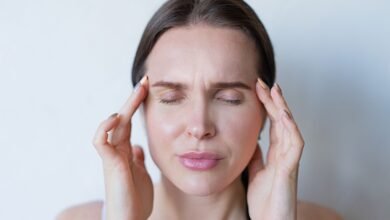
Low iron headache symptoms are common, and anemia headache symptoms often come with tiredness or dizziness. Signs of Low Iron The brain needs a steady oxygen supply, and reduced hemoglobin can interfere with it. Headaches have many causes, so they do not prove that iron is low.
6. Heart Palpitations
When hemoglobin is low, the heart may work harder to circulate oxygen, so anemic person symptoms can include a fast or pounding heartbeat. Anxiety, caffeine, and dehydration can do the same. Signs of Low Iron Chest discomfort alongside palpitations needs urgent evaluation.
7. Difficulty Concentrating
Iron supports normal brain function, so low iron levels symptoms can include poor focus, forgetfulness, and mental fog. Sleep loss, stress, and other deficiencies can cause the same, which is why a proper assessment helps.
Less Common and Unusual Symptoms of Low Iron
Some unusual symptoms of low iron, and even weird symptoms of low iron, involve the nails, hair, mouth, and nervous system. They tend to appear when the deficiency is more significant, and they are often listed among the physical signs of low iron.
Brittle or spoon-shaped nails. Low iron nail symptoms include brittle, easily broken nails and, in advanced cases, a spoon-shaped curve called koilonychia. The signs of low iron in nails are not exclusive to iron deficiency, so testing is needed.
Hair shedding. Some people with low iron stores notice more hair fall. Genetics, hormones, thyroid problems, and stress are common alternative explanations, so hair loss is not proof of low iron.
Restless legs. Restless leg and anemia are linked: iron deficiency is associated with an uncomfortable urge to move the legs, especially at night, and iron plays a role in the brain processes that control movement.
Ice cravings and pica. Chewing ice is a sign of low iron for some people, and craving ice low iron is a well-known pattern. Low iron food cravings can also involve paper, clay, or soil, a condition called pica. Eating non-food substances is risky, so these cravings should be checked.
Cold hands and feet. Cold hands low iron complaints are common because poor oxygen delivery can leave the hands and feet cold. Low iron cold hands and feet may also point to circulation or thyroid problems.
Easy bruising and dark circles. Some people notice that anemia and bruises seem to go together, and many search bruise easily low iron after finding marks they cannot explain. Signs of Low Iron Paler skin can make under-eye shadows more obvious, which is why dark circles under eyes low iron is a common search. Both signs have many other causes, so mention them to a doctor rather than treating them as proof.
Side Effects of Low Iron in Daily Life
The side effects of low iron reach beyond tiredness. Signs of Low Iron The effects of low iron can include poor exercise tolerance, trouble concentrating, and low mood. Side effects of low iron in women often become noticeable during heavy periods, while side effects of low iron in men are often first noticed as exhaustion and breathlessness.
Symptoms of Low Iron in Different Groups
Women. Anemia symptoms in women and low iron symptoms female searches are among the most common because monthly blood loss uses up iron. Iron deficiency symptoms women report include fatigue, pale skin, and hair shedding, and the signs of iron deficiency in women may be worse around periods. Low iron heavy periods symptoms and symptoms of anemia from heavy periods include exhaustion and dizziness during or after bleeding. Low ferritin symptoms in women can appear before anemia is diagnosed, and the signs of anemia in women are easily mistaken for hormonal changes or a busy life.
Men. Symptoms of anemia in men and low iron symptoms male are similar: fatigue, weakness, and breathlessness. Iron deficiency in men symptoms deserve closer investigation, because men have fewer natural causes of iron loss and hidden bleeding must be ruled out. The signs of low iron in men should not be written off as ageing or overwork.
Pregnancy. Low iron pregnancy symptoms include tiredness, dizziness, pallor, and breathlessness. The symptoms of anemia in pregnancy and the signs of anemia while pregnant are watched closely in prenatal care because iron needs rise. Low iron during pregnancy symptoms can overlap with normal pregnancy fatigue, so testing is more reliable than guessing.
Older adults. The signs of anemia in elderly people can be subtle, such as weakness, confusion, or slow recovery from illness, and they are easy to blame on ageing.
Children and teens. The signs of low iron in infants and signs of low iron in teens may include pale skin, irritability, poor appetite, tiredness, and trouble at school, because growth raises iron needs.
Runners. Endurance training can increase iron loss, so the signs of low iron in runners often appear as unusual fatigue and a drop in performance. Across all groups, the signs of anemia in adults and symptoms of anemia in adults follow a similar pattern.
Mild and Severe Anemia Symptoms
The signs of mild anemia are often vague, which is why the first signs of anemia are so easy to miss.
The symptoms of severe anemia are more intense and can disrupt daily life: extreme exhaustion, a racing heart, fainting, and marked breathlessness even at rest. Severe iron deficiency symptoms, dangerously low iron symptoms, and critically low iron symptoms all fall in this category, as do the symptoms of extreme anemia. Very low iron symptoms and extreme iron deficiency symptoms are warning signs of low iron that need prompt care. Chest pain, fainting, or severe breathing difficulty requires urgent medical assessment.
Quick Checklist: Signs Your Body Needs Iron
Use this list as a prompt for a conversation with a doctor, not as a diagnosis. Signs your body needs iron often include ongoing tiredness (a typical not enough iron symptoms complaint), pale skin, cold hands, headaches, dizziness, brittle nails, ice cravings, and heavy periods.
People describe the same problem in many ways, including signs that your body is low in iron, signs of too little iron, symptoms of too little iron, short of iron symptoms, and iron is low symptoms. The same tests apply to all of them.
What Causes Low Iron Levels?
Understanding the cause of low iron levels is as important as spotting symptoms, because eating more iron will not fix ongoing blood loss or an absorption problem. Reviewing low iron causes and symptoms together helps doctors choose the right tests. Signs of Low Iron The main low hemoglobin level causes overlap with the list below.
- Low dietary intake. The body needs a regular supply of iron. Heme iron from meat, poultry, and seafood is absorbed more easily, while non-heme iron from beans, lentils, tofu, spinach, and fortified cereals is helped by vitamin C.
- Heavy periods and other blood loss. Heavy or prolonged menstrual bleeding, frequent nosebleeds, and bleeding disorders can remove more iron than food replaces.
- Gastrointestinal bleeding. Ulcers, inflammation, and polyps can cause slow bleeding without obvious signs. Low hemoglobin and bleeding are closely linked, so unexplained iron deficiency in adults may call for digestive tests.
- Pregnancy. The NIH Office of Dietary Supplements lists 18 mg daily for women aged 19 to 50 and 27 mg during pregnancy. These are dietary guidelines, not thresholds for diagnosing anemia.
- Poor absorption. Celiac disease, inflammatory bowel conditions, and some digestive surgeries can reduce absorption. Low iron absorption symptoms and iron malabsorption symptoms can appear even with a good diet.
- Other deficiencies. B12 and iron deficiency symptoms overlap, as do iron and vitamin d deficiency symptoms, so doctors often test for more than one shortage.
- Blood donation and medications. Frequent donation removes iron-rich red blood cells, and some medicines raise the risk of stomach bleeding.
| Possible cause | How it contributes | Example |
| Blood loss | Reduces the body’s iron supply | Heavy menstrual bleeding |
| Low dietary intake | Limits available iron | Too few iron-rich foods |
| Poor absorption | Reduces iron taken in from food | Celiac disease |
| Increased requirements | Raises the body’s iron needs | Pregnancy |
| Frequent blood donation | Removes iron-containing red blood cells | Repeated donations |
How Is Iron Deficiency Diagnosed?
Noticing symptoms is only the first step. Low blood iron symptoms and signs of low blood iron must be confirmed with tests, alongside medical history, diet, and menstrual history.
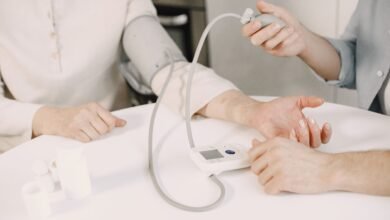
Complete blood count (CBC). Signs of Low Iron A CBC measures hemoglobin, red blood cell count, hematocrit, and red blood cell size. Low hemoglobin may point to anemia, but a CBC alone can miss early iron deficiency.
Ferritin and iron tests. Ferritin is the protein that stores iron, so low ferritin signs can show up before anemia does. Doctors may also check serum iron, total iron-binding capacity, and transferrin saturation. People often search low iron saturation symptoms and low transferrin symptoms, but the test numbers matter more than guessing. Ferritin can rise during inflammation, so results are read alongside other findings.
Treatment. Treating low ferritin levels depends on the cause, so iron deficiency symptoms and treatment go hand in hand. Doctors may suggest dietary changes, iron tablets, or treating the source of bleeding. Signs of Low Iron Only a doctor can judge the signs you need iron supplements or the signs you need an iron infusion, such as severe deficiency or poor absorption.

When Should You Speak With a Healthcare Professional?
Persistent fatigue, unexplained weakness, and repeated dizziness deserve attention, especially when they interfere with daily activities. Consider booking an appointment if you notice:
- Ongoing tiredness without a clear reason.
- Repeated dizziness or lightheadedness.
- Unusual breathlessness during normal activities.
- Noticeable heart palpitations.
- Heavy or prolonged periods.
- Persistent digestive problems alongside unexplained symptoms.
- Cravings for ice or other non-food substances.
Chest pain, fainting, or severe breathing difficulty needs urgent medical assessment.
Do not decide on the signs you need more iron from symptoms alone. Too much iron can be harmful, and taking supplements without testing may delay finding the real cause.
Frequently Asked Questions About Signs of Low Iron
1. What are the most common signs of low iron?
Persistent fatigue, weakness, pale skin, dizziness, headaches, shortness of breath, and heart palpitations. Some people have no obvious symptoms at first.
2. Can you have low iron without anemia?
Yes. Iron stores can run low before hemoglobin falls far enough to count as anemia, and a ferritin test can detect it early.
3. How do anemia symptoms differ in women and men?
The core symptoms are similar, but women are more likely to have heavy-period blood loss, and unexplained deficiency in men needs a search for hidden bleeding.
4. When should someone get tested?
Anyone with persistent fatigue, unexplained weakness, repeated dizziness, or other worrying symptoms should ask a healthcare professional about blood tests for hemoglobin and iron stores.
Final Thoughts on the Signs of Low Iron
Low iron can affect the body in many ways, from lasting tiredness and weakness to dizziness, headaches, and changes in the nails and skin. Some symptoms build gradually, while others become clearer as the deficiency worsens.
The cause matters as much as the symptoms. Signs of Low Iron Poor diet, blood loss, pregnancy, and digestive conditions can all reduce iron levels. Iron deficiency and iron deficiency anemia are not the same thing, so testing is valuable even when hemoglobin looks normal.
Knowing the signs of low iron helps you spot a possible problem early and seek the right advice. Signs of Low Iron A proper evaluation can show whether iron is truly low and why.
Medical Disclaimer: This article is for informational and educational purposes only. It does not replace professional medical advice, diagnosis, or treatment. Anyone with persistent or concerning symptoms should consult a qualified healthcare professional.