20 Foods High in Protein: Exact Amounts, Calories and Smart Ways to Eat Them

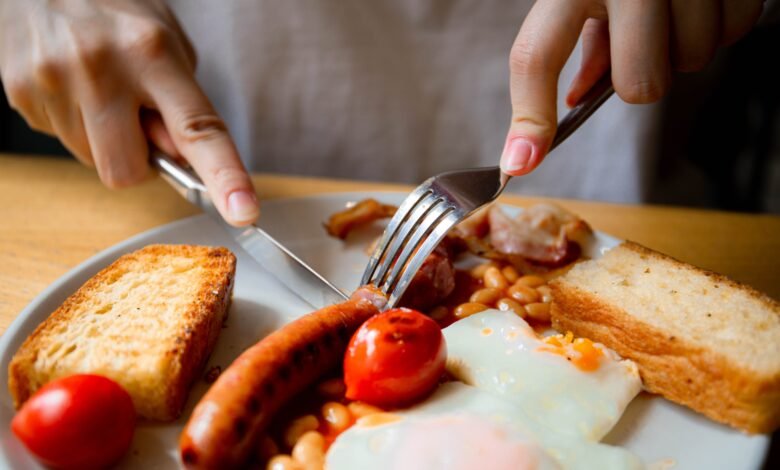
Protein builds and repairs muscle, makes enzymes and hormones, supports immunity, and keeps you full between meals. Yet many people eat very little at breakfast and lunch, then a large amount at dinner. The fix is simple: know which foods high in protein fit your budget, your diet and your taste, and spread them through the day.
This guide lists 20 specific foods high in protein. Foods High in Protein Every number uses the same yardstick (per 100 g, cooked unless stated otherwise) so you can compare fairly, and we add a realistic serving size and calories. Values are approximate and based on standard food-composition data such as USDA FoodData Central. Foods High in Protein Brands and cooking methods change them slightly, so check the label on packaged foods.
How Much Protein Do You Actually Need?
The official minimum for a healthy adult is 0.8 g of protein per kg of body weight per day. For a 70 kg person, that is about 56 g.
This is a minimum to prevent deficiency, not necessarily the best amount for everyone. Many experts suggest higher intakes in these situations:
- Regular strength training or sport: roughly 1.2–2.0 g per kg
- Fat loss while keeping muscle: roughly 1.2–1.6 g per kg
- Older adults: around 1.0–1.2 g per kg, to slow age-related muscle loss (sarcopenia)
A practical target is 20–30 g of protein per meal, with a protein snack if needed. Your needs depend on size, activity, age and health, so treat these as ranges, not rules.
Quick Comparison: Foods High in Protein (per 100 g, cooked)
| Food | Protein (g) | Calories (kcal) | Typical serving |
| Chicken breast, skinless | ~31 | ~165 | 100 g ≈ 31 g |
| Turkey breast, skinless | ~30 | ~150 | 100 g ≈ 30 g |
| Lean beef (trimmed sirloin) | ~27 | ~190 | 100 g ≈ 27 g |
| Tuna, canned in water, drained | ~25 | ~115 | 1 small can (~110 g drained) ≈ 27 g |
| Shrimp | ~24 | ~100 | 100 g ≈ 24 g |
| Salmon (farmed) | ~22 | ~205 | 100 g ≈ 22 g |
| Tempeh | ~19 | ~190 | 100 g ≈ 19 g |
| Paneer | ~18 | ~270–300 | 50 g ≈ 9 g |
| Egg (whole) | ~12.6 | ~140 | 1 large ≈ 6.3 g |
| Edamame | ~12 | ~120 | 1 cup (155 g) ≈ 18 g |
| Cottage cheese, low-fat | ~11 | ~80 | ½ cup ≈ 12 g |
| Greek yogurt, plain nonfat | ~10 | ~60 | 170 g ≈ 17 g |
| Lentils | ~9 | ~115 | 1 cup (198 g) ≈ 18 g |
| Chickpeas | ~9 | ~165 | 1 cup (164 g) ≈ 14.5 g |
| Kidney beans | ~8.7 | ~125 | 1 cup (177 g) ≈ 15 g |
| Tofu, firm | ~8–15 (varies by brand) | ~80–140 | 100 g ≈ 8–15 g |
| Quinoa | ~4.4 | ~120 | 1 cup (185 g) ≈ 8 g |
| Peanuts (raw/dry) | ~26 | ~570 | 28 g ≈ 7 g |
| Almonds (raw/dry) | ~21 | ~580 | 28 g ≈ 6 g |
| Pumpkin seeds (raw/dry) | ~30 | ~560 | 28 g ≈ 8.5 g |
Nuts and seeds are listed raw because that is how they are usually measured. A 100 g portion is unrealistic, so use the 28 g (1 oz) serving column for them.
Animal Foods High in Protein
1. Chicken Breast
Skinless chicken breast provides about 31 g of protein per 100 g cooked, with around 165 kcal and very little fat. Foods High in Protein It is a complete protein, meaning it contains all nine essential amino acids. Grill, bake, boil or air-fry it, and shred leftovers into salads, wraps and rice dishes. Cooked weight is lower than raw weight because water is lost, so weigh your chicken after cooking if you track protein.
2. Turkey Breast
Turkey breast is close to chicken, with roughly 30 g of protein and about 150 kcal per 100 g. Foods High in Protein It works well as sliced roast turkey, mince for kebabs and meatballs, or stir-fries. If you buy ground turkey, read the label for the lean percentage, since 93% lean and 85% lean differ noticeably in fat and calories.
3. Lean Beef
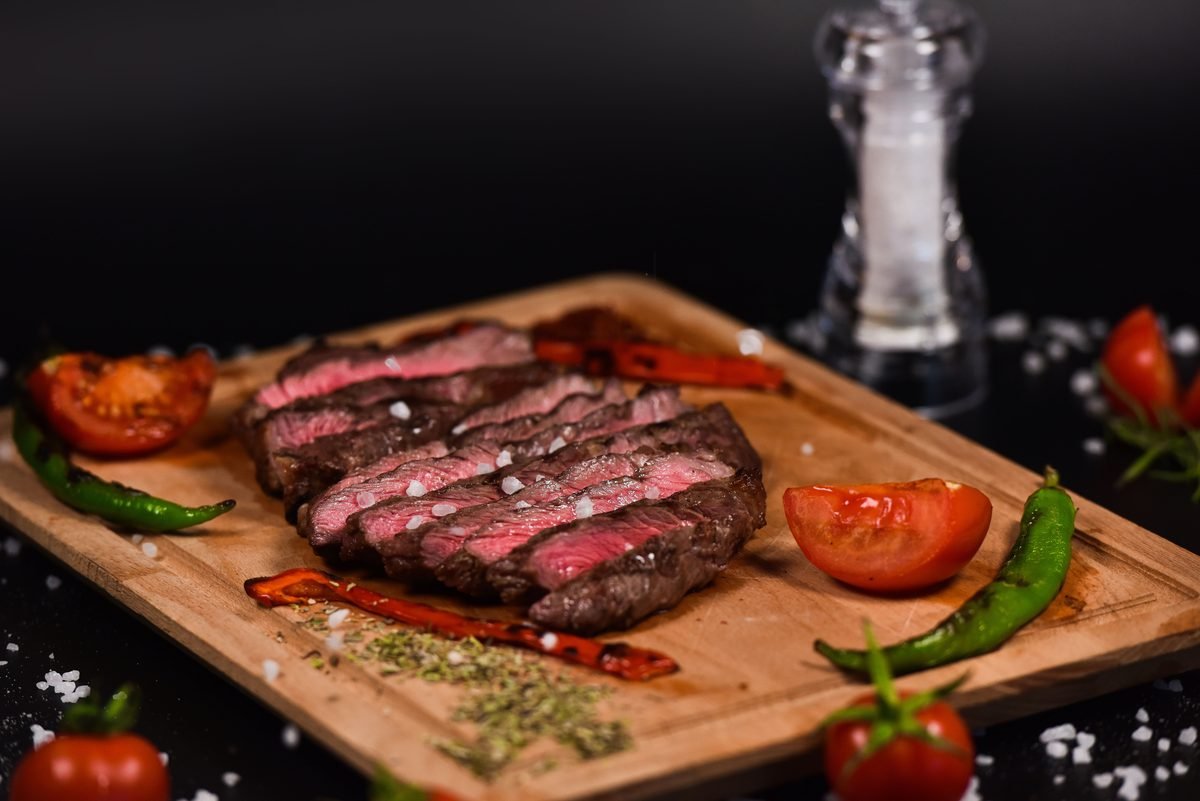
Trimmed, grilled sirloin gives around 27 g of protein per 100 g, plus easily absorbed iron, zinc and vitamin B12. Choose lean cuts and trim visible fat to keep saturated fat down. Health authorities advise moderating red meat, so enjoy it a few times a week instead of daily.
4. Eggs
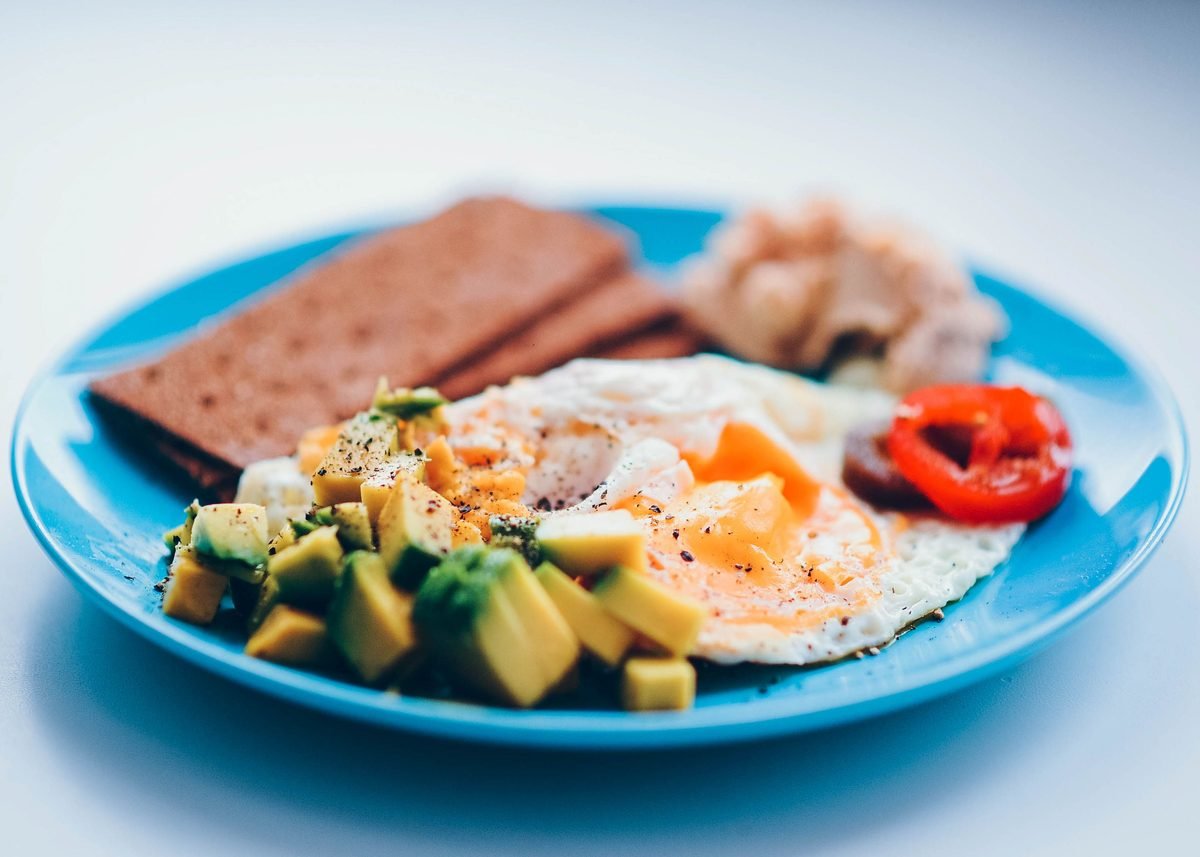
One large egg has about 6.3 g of protein and roughly 70 calories. Eggs are a complete protein and affordable. Two eggs at breakfast give you around 12–13 g, a solid start toward your per-meal goal. Pair them with vegetables or whole-grain bread for fibre. Most healthy people can include eggs regularly, but if you have diabetes or high cholesterol, ask your doctor how many suit you.
5. Salmon
Cooked farmed salmon provides about 22 g of protein per 100 g, along with omega-3 fats that support heart and brain health. It is higher in calories (about 205 kcal per 100 g) than white fish because of this healthy fat, so it is nutrient-dense rather than “light”. Canned salmon is a budget-friendly alternative.
6. Tuna
Canned tuna in water, drained, offers roughly 25 g of protein per 100 g for only about 115 calories. Foods High in Protein It is shelf-stable and ready to eat. Keep mercury in mind: light (skipjack) tuna is generally lower in mercury than albacore, and pregnant women and young children should follow local guidance on how much tuna is safe. Choose water-packed if you want fewer calories, and rinse it to reduce sodium.
7. Shrimp
Shrimp gives about 24 g of protein per 100 g cooked with only around 100 calories. Foods High in Protein It cooks in minutes and suits curries, stir-fries and salads. Frying or heavy batter adds far more calories than the shrimp itself, so grilling or sautéing is the leaner choice.
Dairy Foods High in Protein
8. Greek Yogurt
Because it is strained, plain nonfat Greek yogurt has about 10 g of protein per 100 g, which means a 170 g pot gives around 17 g. Flavoured versions often contain a lot of added sugar, so choose plain and add fruit, nuts or seeds. Regular (unstrained) yogurt has much less protein, so check the label.
9. Cottage Cheese
Low-fat cottage cheese has roughly 11 g of protein per 100 g, and a half-cup serving gives about 12 g for under 100 calories. Much of its protein is casein, which digests slowly and keeps you satisfied. Use it as a dip, on toast, or in place of ricotta. It can be salty, so compare brands.
10. Paneer
Paneer provides roughly 18 g of protein per 100 g, but values vary by how it is made, and it is calorie-dense (about 270–300 kcal per 100 g). A 50 g portion in a curry gives about 9 g of protein. Pair it with vegetables and keep oil and cream in check, and you have a satisfying vegetarian protein.
Soy and Plant Foods High in Protein
11. Tofu
Firm tofu offers about 8–15 g of protein per 100 g, depending on the brand and how firm it is, so read the label. Foods High in Protein Soy is a complete plant protein. Silken tofu has less protein than extra-firm. Crumble it as a scramble, cube it into curries, or grill it after pressing.
12. Tempeh
Made from fermented soybeans, tempeh has around 19 g of protein per 100 g and good fibre. Its firm texture suits grilling, stir-frying and baking. Fermentation can make it easier to digest for some people. Whether live probiotics survive depends on the product and on cooking, so do not rely on tempeh as a probiotic source.
13. Edamame
Young soybeans are a smart snack. Cooked shelled edamame has about 12 g of protein per 100 g, and one cup gives around 18 g, plus fibre, iron and folate. Buy them frozen, boil or microwave, and season lightly. Watch the salt if you add soy sauce.
14. Lentils (Daal)
Cooked lentils give about 9 g of protein and roughly 115 kcal per 100 g, and one cup supplies around 18 g with plenty of fibre, folate and iron. Lentils are not complete on their own because they are lower in methionine, but eating them with rice, roti or other grains across the day covers your amino acid needs. You do not have to combine them in the same meal.
15. Chickpeas (Chana)
Cooked chickpeas provide about 9 g of protein per 100 g and a cup gives around 14.5 g. Use them in chana masala, salads, hummus or roasted as a crunchy snack. Canned versions are convenient, but drain and rinse to cut sodium.
16. Kidney Beans (Rajma)
Cooked kidney beans offer roughly 8.7 g of protein per 100 g along with fibre and slow-release carbohydrates. A cup supplies about 15 g. Always cook dried kidney beans thoroughly, because raw or undercooked beans contain a natural toxin that can cause stomach upset.
17. Peanuts
Despite the name, peanuts are legumes. Raw peanuts have about 26 g of protein per 100 g, but they are very calorie-dense (~570 kcal per 100 g). A 28 g handful gives around 7 g of protein for about 160 calories. Foods High in Protein Choose unsalted and keep portions sensible.
18. Almonds
A 28 g serving (about 23 almonds) provides around 6 g of protein plus vitamin E, magnesium and healthy fats. Per 100 g they contain about 21 g of protein, but at roughly 580 calories, portion size matters.
19. Pumpkin Seeds
Pumpkin seeds are one of the most protein-dense seeds, with about 30 g per 100 g raw, or roughly 8.5 g in a 28 g serving. They also supply magnesium and zinc. Sprinkle them on yogurt, oats, salads and soups.
20. Quinoa
Quinoa is a seed eaten like a grain. It is one of the few plant foods with all nine essential amino acids, but it is not especially high in total protein: cooked quinoa has about 4.4 g per 100 g, and one cup gives around 8 g. Foods High in Protein Think of it as a better-quality carbohydrate base that adds protein, not a main protein source.
Complete vs Incomplete Protein: Do Vegetarians Need to Worry?
Protein is made of amino acids, and nine are “essential” because your body cannot make them. Animal foods, soy products (tofu, tempeh, edamame) and quinoa are complete proteins. Most other plant foods are lower in one or more essential amino acids, for example legumes in methionine and grains in lysine.
This does not put plant-eaters at a disadvantage. Your body pools amino acids over the day, so eating a variety of legumes, grains, nuts, seeds and soy is enough. You do not need to match foods at every meal. Foods High in Protein Choosing varied foods high in protein, plus enough total calories, is what counts.
How to Build a High-Protein Day (Examples)
You do not need to track every gram. Aim for a clear protein source at every meal.
Non-vegetarian day
- Breakfast: 2 eggs plus a small bowl of Greek yogurt (≈ 24–25 g)
- Lunch: grilled chicken (120 g) with salad and rice (≈ 35 g)
- Snack: a handful of almonds (≈ 6 g)
- Dinner: baked salmon (120 g) with vegetables (≈ 26 g)
Vegetarian day
- Breakfast: oats with Greek yogurt and pumpkin seeds (≈ 25 g)
- Lunch: daal and chickpea bowl with a roti (≈ 25 g)
- Snack: ½ cup cottage cheese (≈ 12 g)
- Dinner: paneer or tofu with vegetables (≈ 20 g)
Vegan day
- Breakfast: tofu scramble on whole-grain toast (≈ 20 g)
- Lunch: lentil soup with quinoa (≈ 25 g)
- Snack: edamame (≈ 18 g)
- Dinner: tempeh stir-fry with vegetables (≈ 25 g)
Smart Tips for Choosing Foods High in Protein
- Compare the same unit. A 28 g handful of almonds and a 100 g piece of chicken are not comparable. Use per 100 g, and check whether the figure is for raw or cooked food.
- Check calories, not only protein. Chicken breast and tuna deliver a lot of protein per calorie. Nuts and paneer deliver protein but also many calories.
- Spread protein through the day. Muscles respond better to regular moderate doses than to one huge dinner.
- Pair with fibre. Vegetables, whole grains and beans keep you full and support digestion.
- Limit processed meat. Bacon, sausages and deli meats are high in sodium and saturated fat, and the WHO classifies processed meat as carcinogenic to humans with regular consumption.
- Watch the extras. Flavoured yogurt, sweetened protein snacks and heavily salted nuts can cancel out the benefit. Foods High in Protein Read labels.
- Choose cooking methods wisely. Grilling, baking, steaming and boiling keep foods lean. Foods High in Protein Deep frying does not.
Can You Eat Too Much Protein?
For most healthy people, eating within the commonly recommended ranges is safe. Foods High in Protein Problems arise when protein crowds out other foods, leaving you short of fibre, vitamin C and other nutrients, or when excess calories lead to weight gain, since extra calories from any source count.
People with chronic kidney disease may need to limit protein, and those with diabetes, heart disease or other conditions should discuss their targets with a doctor or registered dietitian. This article is general information, not medical advice.
Frequently Asked Questions
Which foods are highest in protein per 100 g?
Among everyday foods, skinless chicken and turkey breast (about 30 g cooked) and canned tuna (about 25 g) are very high. Pumpkin seeds and peanuts are also high per 100 g, but you eat much smaller amounts.
What are the best vegetarian foods high in protein?
Eggs, Greek yogurt, cottage cheese, paneer, tofu, tempeh, lentils, chickpeas, kidney beans, edamame and nuts or seeds.
Is plant protein as good as animal protein?
Soy and quinoa are complete proteins, and a varied plant diet provides every essential amino acid. Plant proteins also bring fibre and other nutrients.
How much protein should I eat per meal?
A common guide is 20–30 g per meal, adjusted for your body size, activity and goals.
Is protein powder necessary?
No. Whole foods can meet most people’s needs. Powders can be convenient, but they are a supplement, not a requirement.
The Bottom Line
You do not need an expensive or complicated diet to eat enough protein. Foods High in Protein Choose from the 20 foods high in protein above, compare them fairly using the same unit, spread them through the day, and pair them with vegetables, whole grains and healthy fats. If you have a medical condition or are pregnant, confirm your protein target with a healthcare professional.