Fatty Liver Symptoms: Early Signs, Warning Signs and When to See a Doctor

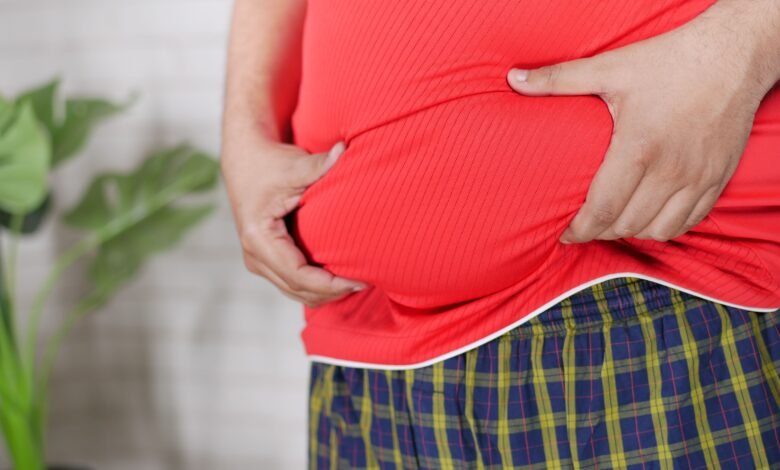
Most people with a fatty liver feel completely normal. Fatty Liver Symptoms That is the biggest problem with this condition, and it is why understanding fatty liver symptoms matters so much. The disease usually grows quietly for years, and it is often found only by accident, during a blood test or an ultrasound ordered for another reason.
The good news is that fatty liver is one of the few chronic diseases that can often be stopped, and even reversed, when it is found early. This guide explains which fatty liver symptoms are real, which signs are only loosely linked to the disease, which symptoms mean the liver is seriously damaged, and when you should see a doctor. Fatty Liver Symptoms It also covers causes, tests and treatment, using current medical terminology.
Key Takeaways
- Early fatty liver usually causes no symptoms at all. A normal feeling does not mean a normal liver.
- When fatty liver symptoms do appear early, they are mild and vague: tiredness, a dull ache or fullness in the upper right abdomen, and general unwellness.
- Jaundice, a swollen belly, easy bruising, black stools and confusion are signs of advanced liver disease and need prompt medical care.
- You can have fatty liver even when your liver enzyme (ALT/AST) results are normal.
- Early fatty liver can often be improved with weight loss, regular exercise, a healthier diet, good control of diabetes and cholesterol, and cutting down alcohol.
What Is Fatty Liver Disease?
The liver is your body’s main processing organ. It filters blood, helps digest fats, stores energy, makes proteins for blood clotting and breaks down medicines and toxins. A healthy liver contains very little fat. Fatty liver disease is diagnosed when fat makes up more than about 5% of the liver’s weight.
A small amount of extra fat is not harmful on its own. The problem starts when fat triggers inflammation. Inflamed liver cells become damaged, the body repairs them by laying down scar tissue, and over many years that scarring can change the structure of the whole organ.
Names you may see: NAFLD, MASLD, MASH
The terminology has changed, which confuses many readers. In 2023, international liver societies replaced the old term non-alcoholic fatty liver disease (NAFLD) with steatotic liver disease (SLD), because the old name focused on what the disease is not. The new system includes:
- MASLD (metabolic dysfunction-associated steatotic liver disease): fat in the liver together with at least one metabolic risk factor, such as excess weight, type 2 diabetes, high blood pressure or abnormal cholesterol and triglycerides. This is the most common type.
- MASH (metabolic dysfunction-associated steatohepatitis): the more serious form of MASLD, where fat is accompanied by inflammation and liver cell injury. It used to be called NASH.
- MetALD: metabolic risk factors combined with alcohol intake that is higher than in MASLD but lower than in alcohol-related disease.
- ALD (alcohol-related liver disease): liver damage mainly caused by heavy, long-term alcohol use.
Many websites, doctors and older studies still use NAFLD and NASH. They mean almost the same thing as MASLD and MASH, so you may see either set of names.
The Stages of Fatty Liver Disease
Understanding the stages makes it easier to understand why symptoms appear when they do.
- Simple steatosis (fatty liver): fat builds up in liver cells with little or no inflammation. Symptoms are usually absent. This stage is often reversible.
- Steatohepatitis (MASH): inflammation and cell injury join the fat. Mild symptoms may appear, but many people still feel well.
- Fibrosis: repeated injury causes scar tissue. The liver can usually still work normally, and fibrosis can sometimes improve if the cause is treated.
- Cirrhosis: extensive scarring changes the liver’s structure. Fatty Liver Symptoms The damage is largely permanent, and complications become possible.
- Decompensated cirrhosis or liver failure: the liver can no longer keep up with the body’s needs, causing fluid build-up, bleeding, confusion and jaundice.
Most people with fatty liver never progress past the first stage, but a meaningful minority do, and it is difficult to know in advance who will. That is one reason checking for scarring matters even when you feel fine.
How Common Is Fatty Liver?
Fatty liver is now the most common chronic liver condition in the world. Global estimates suggest roughly three in ten adults are affected, and figures vary by country and by how the disease is measured. Fatty Liver Symptoms It is also rising in children, and it is increasingly seen in people who are not obviously overweight.
Research suggests that people of South Asian background can develop fatty liver, insulin resistance and diabetes at a lower body weight than many other groups, often with more fat stored around the abdomen. So a normal-looking BMI does not guarantee a healthy liver, and waist size and metabolic health are worth paying attention to.

Early Fatty Liver Symptoms: What You Might Notice
In the early stages, the most accurate answer is that there are usually no symptoms. When early fatty liver symptoms do occur, they are mild, nonspecific and easy to blame on stress, poor sleep or a busy life:
- Fatigue or low energy: the most commonly reported complaint. It is real, but it has many other causes, including anaemia, thyroid problems, sleep apnoea, depression and poor sleep.
- Dull ache or fullness in the upper right abdomen: this is the area just under the right lower ribs.
- A general feeling of being unwell: some people describe it as sluggishness or heaviness after meals.
- Mild loss of appetite or nausea: less common, and more typical of progressing disease.
None of these symptoms proves you have fatty liver. They only mean it is reasonable to look at your overall health, especially if you also have risk factors.
Why would the liver ache if it has few pain nerves?
Liver tissue itself has few pain-sensing nerves, which is partly why damage can go unnoticed. The liver’s outer covering (capsule), however, does contain nerves. When the liver enlarges or becomes inflamed, the capsule is stretched, and that can cause a dull, steady ache or pressure in the upper right abdomen. Many people with fatty liver never feel this, so the absence of pain tells you very little.
Signs Linked to Fatty Liver (But Not Caused by It)
Some visible changes are often listed as fatty liver symptoms. It is more accurate to see them as signs of the underlying metabolic problems, mainly insulin resistance, that also drive fatty liver:
- Dark, velvety skin patches on the neck, armpits or groin (acanthosis nigricans), a marker of insulin resistance.
- Skin tags around the neck and armpits.
- Extra weight around the waist. Fatty liver does not cause weight gain. Rather, abdominal fat is one of its most common causes.
- High blood pressure, high blood sugar or abnormal cholesterol found on routine checks.
If you notice these signs, ask your doctor about liver screening, even if you feel completely well.
Advanced Fatty Liver Symptoms: Signs of Cirrhosis
When scarring becomes extensive, symptoms become much more noticeable. Fatty Liver Symptoms These are not early fatty liver symptoms. They point to advanced liver disease:
- Jaundice: yellowing of the skin and the whites of the eyes, caused by a build-up of bilirubin.
- Ascites: a swollen, fluid-filled belly caused by raised pressure in the liver’s blood vessels (portal hypertension).
- Swelling in the legs and ankles (oedema).
- Easy bruising or bleeding, because the liver makes fewer clotting proteins.
- Dark urine and pale stools, which can reflect problems with bile flow.
- Intense itching, linked to bile salts building up in the body.
- Spider-like blood vessels on the upper body (spider angiomas), and redness of the palms.
- Unexplained weight loss and muscle wasting.
- Confusion, drowsiness, slowed thinking or sleep reversal (hepatic encephalopathy), caused by toxins the failing liver cannot clear.
Not everyone with cirrhosis has all of these, and some people stay stable for years with good care. Still, any of these signs deserves prompt medical assessment.
Emergency Signs: Get Urgent Medical Help
Go to an emergency department or call emergency services if you or someone else has:
- Vomiting blood, or vomit that looks like coffee grounds
- Black, tarry, foul-smelling stools, which usually mean bleeding in the digestive tract (this is different from pale stools)
- Sudden confusion, extreme drowsiness or difficulty waking up
- Rapid swelling of the belly with fever or severe abdominal pain
- Heavy bleeding that does not stop
These can be life-threatening complications of advanced liver disease.
What Causes Fatty Liver?
Fatty liver usually develops from several factors acting over many years.
Common causes and risk factors
- Overweight or obesity, especially extra fat around the waist
- Type 2 diabetes, prediabetes and insulin resistance
- High cholesterol or triglycerides
- High blood pressure
- Metabolic syndrome
- Alcohol, which causes alcohol-related disease and worsens metabolic disease
- Age over 50 (although it can occur at any age, including childhood)
- Family history and genetics, such as variants in the PNPLA3 gene
Less common causes
- Polycystic ovary syndrome (PCOS)
- Underactive thyroid (hypothyroidism)
- Obstructive sleep apnoea
- Rapid weight loss or malnutrition
- Certain medicines, such as long-term corticosteroids, methotrexate, tamoxifen and amiodarone. Never stop a prescribed medicine on your own. Discuss concerns with your doctor.
- Some viral infections, especially hepatitis C, which can add fat to the liver
- Rare genetic and metabolic conditions
- Acute fatty liver of pregnancy, a rare but serious pregnancy complication, usually in the third trimester, that needs urgent hospital care
Sugary drinks deserve a special mention. Diets high in added sugar, particularly fructose from soft drinks and sweetened juices, are linked to more liver fat, while diets rich in vegetables, legumes, whole grains and healthy fats are linked to less.
When Should You See a Doctor?
Because early fatty liver symptoms are so subtle, waiting for symptoms is the wrong strategy. Talk to a doctor if:
- You have type 2 diabetes or prediabetes, or obesity with other metabolic risk factors such as high blood pressure or abnormal cholesterol
- A routine blood test shows raised liver enzymes, or an ultrasound mentions a “fatty” or “bright” liver
- You have a family history of liver disease or cirrhosis
- You drink alcohol regularly and have noticed any symptoms described above
- You have persistent fatigue or upper right abdominal discomfort with no clear cause
- You have any advanced sign, such as jaundice, a swollen belly or easy bruising
If you already have a fatty liver diagnosis, ask your doctor how often you need follow-up. The right schedule depends on how much scarring you have.
How Is Fatty Liver Diagnosed?
A doctor will start with your history (weight changes, alcohol, medicines, family history) and a physical examination. Fatty Liver Symptoms Then they may recommend:
- Blood tests: liver enzymes (ALT, AST), blood sugar or HbA1c, cholesterol and triglycerides, and often tests for hepatitis B and C. Normal enzymes do not rule out fatty liver or even fibrosis.
- FIB-4 score: a simple calculation using your age, ALT, AST and platelet count to estimate the likelihood of significant scarring. It is a common first step in many countries.
- Ultrasound: the most widely available way to detect fat in the liver, although it may miss small amounts.
- Elastography (such as FibroScan): a painless test that measures liver stiffness (a marker of scarring) and, in many machines, estimates liver fat. Fatty Liver Symptoms It takes only a few minutes, but availability and cost vary.
- CT or MRI: used in selected cases. MRI-based tests can measure liver fat very precisely.
- Liver biopsy: a small tissue sample, now needed less often, but still used when the diagnosis is unclear or other liver diseases must be excluded.
The most important question is not just whether fat is present, but how much scarring (fibrosis) there is, because scarring is what predicts future liver problems.
How Is Fatty Liver Treated?
Treatment depends on the type and stage, but lifestyle change remains the foundation for almost everyone.
1. Lose weight gradually
If you carry extra weight, losing it is the most effective treatment known for MASLD. As a general guide from clinical studies:
- Around 5% of body weight can reduce liver fat
- 7% to 10% can improve inflammation in MASH
- 10% or more may improve scarring in some people
Aim for steady loss, roughly 0.5 to 1 kg per week at most. Crash diets and extreme fasting can make liver inflammation worse, so avoid them.
2. Move more
Aim for at least 150 minutes of moderate activity a week, such as brisk walking or cycling, ideally with two sessions of resistance training. Exercise reduces liver fat even when the scale does not move. If you have not been active, or you have heart disease, check with your doctor before starting.
3. Improve your diet
The Mediterranean-style pattern has the best evidence:
- Plenty of vegetables, fruit, legumes, nuts and whole grains
- Olive oil as the main fat, with fish and lean protein
- Fewer refined carbohydrates, sweets and fried or ultra-processed foods
- No sugary drinks, including sweetened juices
- Limited red and processed meat
Coffee, in moderate amounts, is associated with a lower risk of liver scarring in several studies. Fatty Liver Symptoms This is an association, not a prescription, so do not start drinking it for your liver if it does not suit you.
4. Limit or stop alcohol
If your fatty liver is alcohol-related, stopping alcohol is the single most important step. If it is metabolic, the safest advice is to drink as little as possible, and none at all if you have fibrosis or cirrhosis. Ask your doctor what is safe for you.
5. Control related conditions
Good control of diabetes, blood pressure and cholesterol protects both your liver and your heart. Do not stop or change prescribed medicines without medical advice. Stopping smoking also reduces cardiovascular and cancer risk.
6. Medicines
For many years there were no medicines approved specifically for fatty liver, which is still true in some countries. In the United States, the FDA has approved the first treatments for MASH with moderate to advanced scarring: resmetirom in 2024 and semaglutide in 2025. Availability, eligibility and cost differ between countries. Some diabetes and weight-loss medicines may also benefit the liver as a secondary effect. These are decisions to make with a specialist, not on your own.
7. Advanced disease
People with cirrhosis need regular specialist follow-up, including screening for liver cancer and for enlarged veins in the food pipe that can bleed. Severe, end-stage disease may require a liver transplant.
Can Fatty Liver Be Reversed?
Often, yes, if it is caught before cirrhosis. Fat can disappear from the liver within months of sustained lifestyle change, and inflammation and mild to moderate scarring can improve. Fatty Liver Symptoms Once cirrhosis has developed, the scarring is largely permanent, but treating the cause can still stop it from getting worse and lower the risk of complications.
Complications of Fatty Liver
The liver is not the only organ at risk. People with MASLD have a higher chance of:
- Heart disease and stroke: cardiovascular disease is actually the leading cause of death in people with MASLD
- Type 2 diabetes
- Chronic kidney disease
- Cirrhosis and liver failure
- Liver cancer (hepatocellular carcinoma), mostly in cirrhosis, but occasionally without it
This is why fatty liver should be treated as a whole-body metabolic condition, not just a liver problem.
How to Prevent Fatty Liver
The habits that treat fatty liver also prevent it:
- Keep a healthy weight, with attention to your waistline
- Stay active most days of the week
- Eat a Mediterranean-style diet and avoid sugary drinks
- Limit alcohol
- Have regular checks for blood sugar, blood pressure and cholesterol
- Get vaccinated against hepatitis A and B if recommended by your doctor
- Check with your doctor or pharmacist before taking long-term medicines or supplements, because some herbal products can harm the liver
Frequently Asked Questions
What are the first signs of fatty liver?
Often there are none. When fatty liver symptoms do appear, the first signs are usually fatigue, a vague feeling of being unwell and a dull ache or fullness in the upper right abdomen. These are common to many conditions, so testing is the only reliable way to know.
Can you have fatty liver with normal liver enzymes?
Yes. ALT and AST can stay normal even when there is significant fat or scarring, which is why doctors also use ultrasound, FIB-4 scores and elastography in people at risk.
Does fatty liver cause weight gain?
No. Excess weight, especially around the waist, is a major cause and risk factor for fatty liver. Unexplained weight loss, on the other hand, can occur in more advanced liver disease and should be checked.
How long does it take to reverse fatty liver?
It varies. Liver fat can fall within weeks to months with sustained weight loss, exercise and diet change. Fatty Liver Symptoms Inflammation and scarring take longer, and results depend on the stage at diagnosis.
Is fatty liver serious?
Simple fatty liver is usually not dangerous on its own. It becomes serious when it progresses to MASH, fibrosis or cirrhosis, and it raises the risk of heart and kidney problems. Early action makes a big difference.
The Bottom Line
Fatty liver symptoms are usually absent, mild or easily explained away, which is exactly why this condition is so often missed. Fatty Liver Symptoms Tiredness and a dull ache in the upper right abdomen can be early clues, but advanced signs such as jaundice, a swollen belly, easy bruising, black stools or confusion mean the liver is already seriously affected and needs urgent care.
If you have diabetes, extra weight around the waist, high cholesterol or a family history of liver disease, do not wait for fatty liver symptoms. Ask about a liver check. Fatty Liver Symptoms If the condition is found early, steady weight loss, regular exercise, a Mediterranean-style diet, good control of blood sugar and less alcohol can improve it, and often reverse it.