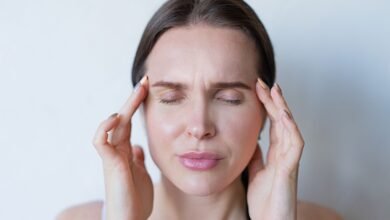
The most common symptoms of low blood pressure are dizziness, lightheadedness, blurred vision, tiredness, and fainting. Symptoms of Low Blood Pressure But the number on the monitor does not tell the whole story. Some people read 85/55 and feel perfectly fine, while others feel faint after a much smaller drop. What matters is whether your blood pressure is low for you, and whether it is causing problems.
This guide explains the symptoms of low blood pressure in plain language, Symptoms of Low Blood Pressure how they differ by type and by age group, which signs are emergencies, how to measure your pressure correctly at home, and what you can do about it.
Key takeaways
- Low blood pressure (hypotension) is generally a reading below 90/60 mm Hg.
- If you have low readings but feel fine, you usually do not need treatment.
- The most common symptoms are dizziness, blurred vision, fatigue, nausea, and fainting.
- Confusion, cold clammy skin, and a weak, rapid pulse can signal shock and need emergency care.
- The cause matters more than the number: dehydration, medicines, pregnancy, heart or hormone problems, infection, and blood loss can all lower blood pressure.
What is low blood pressure?
Blood pressure is the force of blood pushing against your artery walls. It is written as two numbers. Symptoms of Low Blood Pressure The top number (systolic) is the pressure when your heart beats. The bottom number (diastolic) is the pressure between beats.
Low blood pressure is generally defined as a reading below 90/60 mm Hg. Symptoms of Low Blood Pressure Here is how that compares with other ranges, using American Heart Association categories for the higher readings:
| Category | Systolic (top) | Diastolic (bottom) |
| Low (hypotension) | Below 90 | Below 60 |
| Normal | Below 120 | and below 80 |
| Elevated | 120 to 129 | and below 80 |
| High, stage 1 | 130 to 139 | or 80 to 89 |
| High, stage 2 | 140 or higher | or 90 or higher |
Blood pressure also changes through the day. It is usually lowest at night and rises sharply when you wake up. Symptoms of Low Blood Pressure Body position, breathing, food, drink, medicines, stress, and physical fitness all move it up or down.
Here is the important part: a low reading is not automatically a problem. Athletes and very fit people often have naturally low blood pressure without any symptoms. Many healthcare professionals consider blood pressure too low only when it causes symptoms.
Common symptoms of low blood pressure
Symptoms appear when your organs, especially your brain, do not get enough blood flow for a moment or longer. Your body normally compensates by speeding up your heart or tightening blood vessels. Symptoms show up when that compensation is not enough.
Dizziness or lightheadedness
This is the classic sign. You may feel woozy, unsteady, or as if the room is tilting, especially when you stand up quickly. Note that true vertigo (the room spinning) is a slightly different sensation and has other causes, such as inner ear problems.
Fainting (syncope)
If blood flow to the brain drops far enough, you can pass out. Symptoms of Low Blood Pressure Fainting is the symptom with the biggest practical risk, because falls can cause broken bones and head injuries.
Blurred or tunnel vision
Your vision may dim, blur, or narrow, sometimes just before you feel faint. Symptoms of Low Blood Pressure If this happens while you are walking or driving, stop and sit down.
Fatigue and weakness
Feeling drained, heavy, or sluggish without a clear reason is common. Symptoms of Low Blood Pressure Because fatigue has dozens of other causes, it is more meaningful when it appears together with dizziness or with low readings.
Difficulty concentrating
When the brain gets less blood, thinking can feel foggy. You may struggle to focus or find your mind going blank.
Nausea
An upset stomach or queasy feeling can come with a drop in pressure, and in some cases vomiting.
Pale, cold, or clammy skin
When blood is directed toward vital organs, the skin and limbs can turn paler, cooler, and sweaty.
Rapid heartbeat and fast, shallow breathing
Your heart may race as it tries to make up for the drop. Quick, shallow breathing can also occur.
Thirst
If dehydration is the cause, you may feel very thirsty and notice dark urine or less urine than usual.
Headache
Some people report headaches, but this symptom is not specific to low blood pressure. Symptoms of Low Blood Pressure Headaches have many causes, so do not assume low blood pressure is the reason without a measurement.
Symptoms by type of low blood pressure
Doctors describe several types, and the timing of your symptoms is often the biggest clue.
Orthostatic (postural) hypotension. Symptoms hit when you stand up from sitting or lying down. Symptoms of Low Blood Pressure Clinically, it is defined as a drop of at least 20 mm Hg in systolic pressure or 10 mm Hg in diastolic pressure within about three minutes of standing. Brief dizziness when you stand is common, but it becomes a concern when it lasts or happens often. It is more common as people get older. Cleveland Clinic estimates that roughly 5% of people have it at age 50, rising to more than 30% over age 70.
Postprandial hypotension. Pressure drops one to two hours after eating, because blood flow shifts to the digestive system. Symptoms of Low Blood Pressure It mostly affects older adults, especially those with high blood pressure or conditions such as Parkinson’s disease. Smaller, lower-carbohydrate meals, more water, and avoiding alcohol can help.
Neurally mediated hypotension. Pressure falls after standing for a long time, such as in a queue or at a ceremony. Symptoms of Low Blood Pressure It mainly affects young adults and children and involves a mix-up in signals between the heart and brain.
Severe, sudden hypotension. A rapid drop from blood loss, serious infection, or an allergic reaction can lead to shock. This is an emergency (see below).
A rare condition called multiple system atrophy with orthostatic hypotension also exists. It affects the autonomic nervous system and needs specialist care.
Symptoms in different groups of people
Older adults. Confusion or disorientation can be the main sign, instead of dizziness. Falls are the biggest danger, so any unexplained fall deserves a blood pressure check.
Children and teenagers. Fatigue, paleness, and fainting after standing for a long time are the usual signs. Fainting in a child should always be checked by a doctor.
Pregnancy. Blood vessels widen quickly in early pregnancy, so blood pressure often drops during the first and second trimesters. Dizziness or faintness, especially when standing, is common. Blood pressure usually returns to its earlier level after birth. Heavy bleeding, severe dizziness, or fainting during pregnancy should be assessed right away.
Athletes and very fit people. Naturally low readings with no symptoms are normal and typically harmless.
Emergency signs: when low blood pressure becomes shock
Extreme low blood pressure can lead to shock, where organs are not getting enough blood and oxygen. Call your local emergency number immediately if someone has:
- Confusion or unusual behavior
- Cold, clammy, pale, or bluish skin (including lips or under the fingernails)
- Rapid, shallow breathing
- A weak, rapid pulse
- Chest pain or trouble breathing
- Fainting, especially after a head injury from a fall
Shock can follow serious bleeding, severe infection (sepsis), or anaphylaxis (a severe allergic reaction). Symptoms of Low Blood Pressure Do not wait to see if it passes.
What causes low blood pressure?
The underlying cause decides the treatment, so it is worth knowing the main ones.
Dehydration and low blood volume. Fever, vomiting, diarrhea, heavy sweating, hot weather, and not drinking enough all reduce blood volume.
Medicines. Many drugs can lower blood pressure, including diuretics, alpha blockers, and beta blockers; some medicines for Parkinson’s disease; tricyclic antidepressants; and erectile dysfunction medicines, especially when combined with nitrates. Symptoms of Low Blood Pressure Never stop a prescribed medicine on your own. Talk to your doctor first.
Heart and lung conditions. A very slow or very fast heart rate, heart valve problems, heart failure, and heart attack can all cause low pressure.
Hormone-related conditions. Adrenal problems such as Addison’s disease, thyroid problems, low blood sugar, and diabetes can contribute.
Pregnancy. Hormonal changes widen blood vessels, as described above.
Blood loss. Injuries or internal bleeding reduce blood volume quickly.
Severe infection (sepsis). When an infection spreads through the bloodstream it can cause a life-threatening drop in blood pressure.
Allergic reaction (anaphylaxis). A sudden, large drop in blood pressure is one of its hallmark signs.
Nutrient deficiencies. Low vitamin B12, folate, or iron can lead to anemia, which may lower blood pressure.
Nervous system conditions. Parkinson’s disease and other autonomic nervous system disorders affect how the body controls blood pressure.
Alcohol, recreational drugs, and some supplements. These can all lower pressure. Symptoms of Low Blood Pressure Tell your doctor about every supplement and herbal remedy you take.
Extreme heat. Hot weather, long hot showers, and hot tubs widen blood vessels and can make symptoms worse.
How to check your blood pressure at home
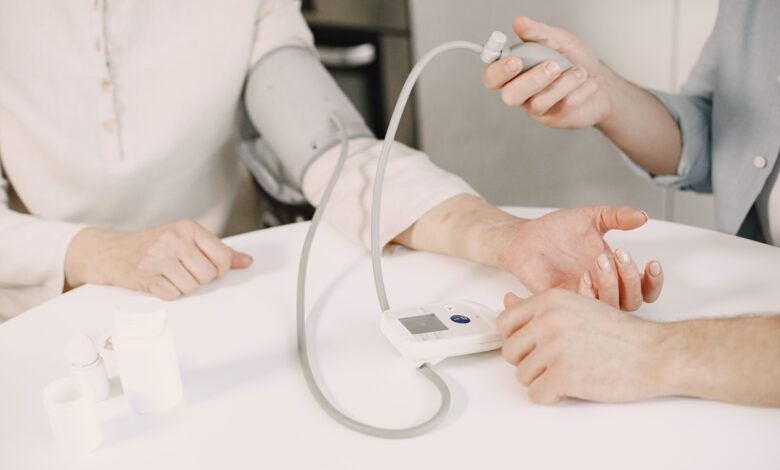
You can confirm whether your symptoms match low readings with a validated upper-arm home monitor. Symptoms of Low Blood Pressure Pharmacists and nurses can also check it for you. For reliable numbers:
- Avoid caffeine, exercise, and smoking for 30 minutes beforehand, and use the toilet first.
- Sit quietly for five minutes with your back supported and feet flat on the floor.
- Rest your bare arm on a table so the cuff is at heart level.
- Take two readings, one minute apart, and note both.
- Record the date, time, and any symptoms in a diary.
A simple standing test for orthostatic hypotension. Lie down for five minutes and take a reading. Then stand up and measure again at one minute and at three minutes. A drop of 20 mm Hg or more in the top number, or 10 mm Hg or more in the bottom number, suggests orthostatic hypotension. Share the results with your doctor, because a diary of readings and symptoms helps them find patterns.
What to do when symptoms hit
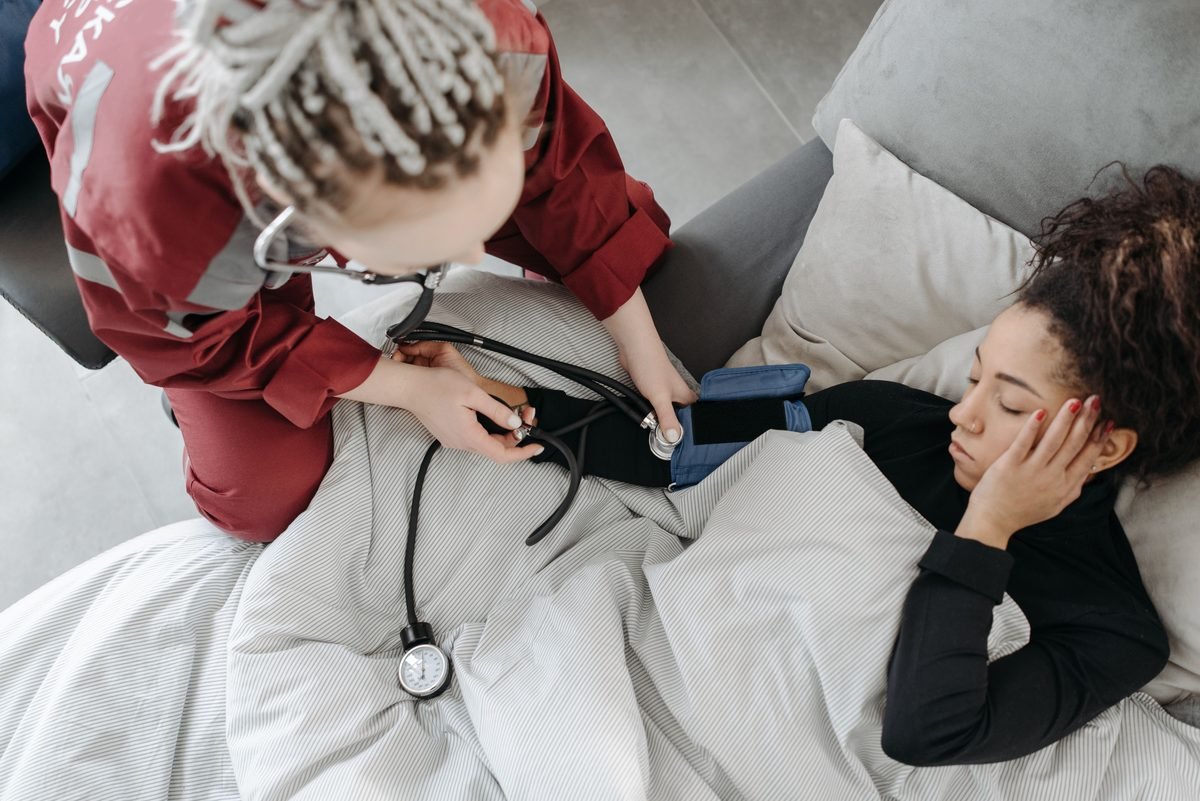
If you suddenly feel dizzy, faint, or see your vision fading:
- Sit or lie down right away. This is the safest move and lowers the risk of falling. If you lie down, raise your legs slightly.
- Stay down for a few minutes and get up slowly.
- Drink water, especially if you may be dehydrated.
- Try leg-crossing or muscle tensing. Crossing your legs while standing, or tightening your thigh and buttock muscles, can help push blood back toward your heart.
- Do not drive until the feeling has passed completely.
If symptoms do not settle, get worse, or come with chest pain or confusion, seek urgent medical care.
Everyday ways to manage low blood pressure
The right plan depends on the cause, so check with your doctor before making major changes. Symptoms of Low Blood Pressure These measures are commonly recommended for people with symptoms:
- Stand up slowly. Sit on the edge of the bed for a minute before standing.
- Drink enough fluids. Dehydration is a common and fixable cause.
- Eat smaller, more frequent meals, which can help with after-meal drops. Symptoms of Low Blood Pressure Sitting still for a while after eating may also help.
- Limit alcohol, which can lower blood pressure and cause dehydration.
- Avoid standing still for long periods. Shift your weight or sit when you can.
- Wear compression stockings if your doctor recommends them. They reduce blood pooling in the legs.
- Raise the head of your bed slightly, if advised.
- Be careful with heat. Avoid very hot showers and baths.
A note on salt. Doctors sometimes advise eating more salt for certain people with low blood pressure. This is not safe for everyone, especially people with high blood pressure, heart or kidney disease. Only increase salt under medical advice, and ask how much is right for you.
A note on food and drink claims. You will find lists online of foods and herbs said to raise blood pressure. Strong evidence for most of them is limited. A balanced diet with enough fluids, iron, folate, and vitamin B12 is a more reliable approach than any single “miracle” food. Some people find a coffee or tea gives a short-lived lift, but ask your doctor whether it is suitable for you.
How low blood pressure is diagnosed and treated
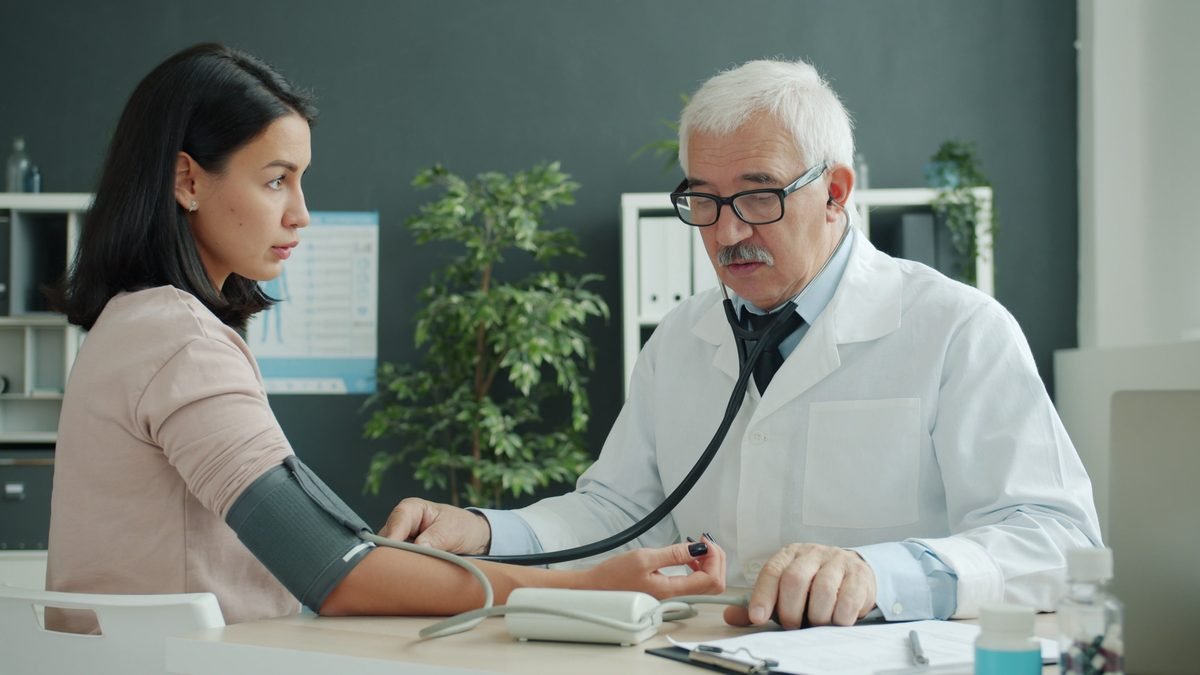
Diagnosing low blood pressure is easy: a reading confirms it. Finding the cause is the harder part. Your doctor may:
- Take readings sitting and standing
- Order blood and urine tests (for anemia, blood sugar, thyroid and hormone problems, vitamin deficiencies)
- Use an ECG or echocardiogram to check your heart
- Arrange a tilt table test to study how your pressure responds to position changes
Treatment depends on the cause. It may mean adjusting or changing a medicine, treating dehydration, correcting a nutrient deficiency, or managing a heart or hormone condition. Symptoms of Low Blood Pressure In some people, medicines that raise blood pressure, such as fludrocortisone or midodrine, may be prescribed. Medicine to raise blood pressure is rarely needed when simple measures or treatment of the cause work.
How quickly you feel better depends on the cause. Some people improve straight away; for others it can take days or even weeks.
Possible complications
Mild low blood pressure with no symptoms is usually harmless. When symptoms are present, complications can include:
- Falls and injuries, including fractures and head injuries. This is the biggest day-to-day risk.
- Shock, when organs do not receive enough blood.
- In severe or prolonged cases, damage to the heart and brain.
When to see a doctor
Book an appointment if you:
- Keep having dizziness, fainting, or blurred vision
- Have fainted or fallen, even once
- Feel symptoms that interrupt your daily routine, work, or driving
- Notice symptoms after starting or changing a medicine
- Are pregnant and feel faint or very dizzy
See a doctor for repeated dizziness or fainting even if you do not know your blood pressure, because these symptoms can come from other conditions, some of them serious.
Questions to ask your doctor
- What do you think is causing my low blood pressure?
- Could any of my medicines be responsible?
- Do I need treatment, or just monitoring?
- Is it safe for me to add salt or more fluids?
- How often should I check my blood pressure at home?
Frequently asked questions
What are the first signs of low blood pressure?
The earliest signs are usually lightheadedness, dizziness when standing, blurred vision, and feeling unusually tired or weak.
Can you have low blood pressure without symptoms?
Yes. Many people, including fit and healthy adults, have low readings and feel fine. In that case treatment is usually not needed, though routine check-ups are sensible.
What blood pressure reading is too low?
Below 90/60 mm Hg is generally considered low. Symptoms of Low Blood Pressure However, a sudden drop of just 20 mm Hg can cause symptoms even if you stay above that line, so how you feel matters as much as the number.
Can dehydration cause symptoms of low blood pressure?
Yes. Less fluid in your body means less blood volume, which can lower pressure and cause dizziness, thirst, dark urine, and fatigue.
Is low blood pressure dangerous?
Often it is not. It becomes dangerous when it drops suddenly or causes fainting and falls, or when it comes with signs of shock.
The bottom line
The symptoms of low blood pressure range from mild lightheadedness to fainting and, in rare cases, shock. Symptoms of Low Blood Pressure A low number without symptoms is usually nothing to worry about, but dizziness, fainting, confusion, or a sudden drop deserves attention. Symptoms of Low Blood Pressure Track your readings, stay hydrated, stand up slowly, review your medicines with your doctor, and get urgent help if you notice the emergency signs above.