Learning how to build muscle comes down to four things done consistently: lifting challenging weights, doing enough weekly sets, eating enough protein and calories, and recovering properly. Everything else is detail.
The problem is that most guides contradict each other. One says rest 30 seconds between sets, another says 3 minutes. One says 1.2 g of protein per kilogram, another says 2.2. How to Build Muscle This guide explains why those numbers differ and gives you ranges you can actually use, with the research behind them.
Whether you are a beginner, a woman starting strength training, or an adult over 40 trying to keep your muscle, this plan works for you.
How Muscle Growth Works
Muscle growth, called hypertrophy, happens when your body builds more muscle protein than it breaks down. How to Build Muscle Resistance training creates the signal to grow. Protein provides the building blocks. Calories and sleep provide the energy and recovery.
Muscle tension is the main driver. How to Build Muscle When you lift a weight close to your limit, your muscle fibers experience mechanical tension, and your body adapts by making them larger and stronger over time.
You do not need to “shock” your muscles with constant variety. You need to challenge them, repeatedly, with gradually increasing demands.
Step 1: Train With Enough Effort
Choose a weight that makes the last reps hard
Research shows that muscle can grow across a wide range of repetitions, from roughly 5 to 30 per set, as long as the set is taken close to failure. A 2017 meta-analysis by Schoenfeld and colleagues found similar hypertrophy with heavier and lighter loads when effort was matched.
In practice, this means:
- Heavier weights (5 to 8 reps): build strength and muscle, but are harder on joints.
- Moderate weights (8 to 12 reps): the most practical range for most people.
- Lighter weights (15 to 30 reps): build muscle too, but are very tiring.
Aim to finish most working sets with 1 to 3 reps left in the tank. How to Build Muscle That means you could have done one to three more clean reps, but not many more. If you could easily do ten more, the weight is too light. If your form breaks down after a couple of reps, it is too heavy.
Do enough weekly sets
Training volume, meaning the number of hard sets per muscle group per week, is one of the strongest predictors of growth. How to Build Muscle A 2017 meta-analysis by Schoenfeld, Ogborn, and Krieger found a dose-response relationship: more sets generally produced more growth.
A practical target:
- Beginners: 6 to 10 hard sets per muscle per week
- Intermediate lifters: 10 to 15 sets
- Advanced lifters: 12 to 20 sets, if recovery allows
More is not always better. Past a certain point, extra sets just add fatigue. Start at the low end and add sets only when progress stalls.
Train each muscle twice a week
A 2016 meta-analysis on training frequency found that training a muscle at least twice per week tended to produce better growth than once per week. This is largely because it makes it easier to spread your weekly volume across more sessions with better quality.
Simple ways to do this:
- 3 full-body workouts per week (Monday, Wednesday, Friday)
- Upper/lower split, 4 days per week
Rest long enough between sets
Some articles tell you to rest only 30 to 90 seconds. How to Build Muscle Research does not support this as the best approach for most lifters. A 2016 study by Schoenfeld and colleagues found that resting 3 minutes between sets produced greater muscle growth in trained men than resting 1 minute, likely because longer rests allow you to lift more total volume.
A good rule: rest 2 to 3 minutes on heavy compound lifts such as squats and presses, and 60 to 90 seconds on lighter isolation exercises such as curls and lateral raises.
Step 2: Pick the Right Exercises
Build your program around compound movements, which train several muscles at once, and add isolation exercises for specific muscles.
Movement patterns to include each week:
- Squat: back squat, goblet squat, leg press
- Hinge: Romanian deadlift, hip thrust, deadlift
- Push: bench press, overhead press, push-ups
- Pull: rows, pulldowns, pull-ups
Isolation exercises to add:
- Biceps curls and triceps extensions
- Lateral raises for shoulders
- Leg curls and calf raises
Research suggests compound and isolation exercises can both drive growth, so the best exercises are the ones you can perform with good form and keep doing consistently.
Step 3: Use Progressive Overload
Progressive overload means gradually increasing the demand on your muscles. How to Build Muscle Without it, your body has no reason to keep adapting.
There are four simple ways to do it:
- Add weight (for example, 2.5 kg or 5 lb)
- Add reps with the same weight
- Add a set when you feel recovered
- Improve technique or control, such as a slower lowering phase
Change one variable at a time and write your workouts down. How to Build Muscle A notebook or phone note is enough. If you cannot see your numbers going up over weeks, you cannot know whether you are progressing.
A Simple 3-Day Full-Body Plan
This beginner-friendly template uses 3 sets per exercise. Rest 2 to 3 minutes on the big lifts.
Day A
- Squat: 3 × 6–10
- Bench press or push-ups: 3 × 6–12
- Seated row: 3 × 8–12
- Lateral raise: 2 × 12–15
- Plank: 2 × 30–45 seconds
Day B
- Romanian deadlift: 3 × 6–10
- Overhead press: 3 × 6–12
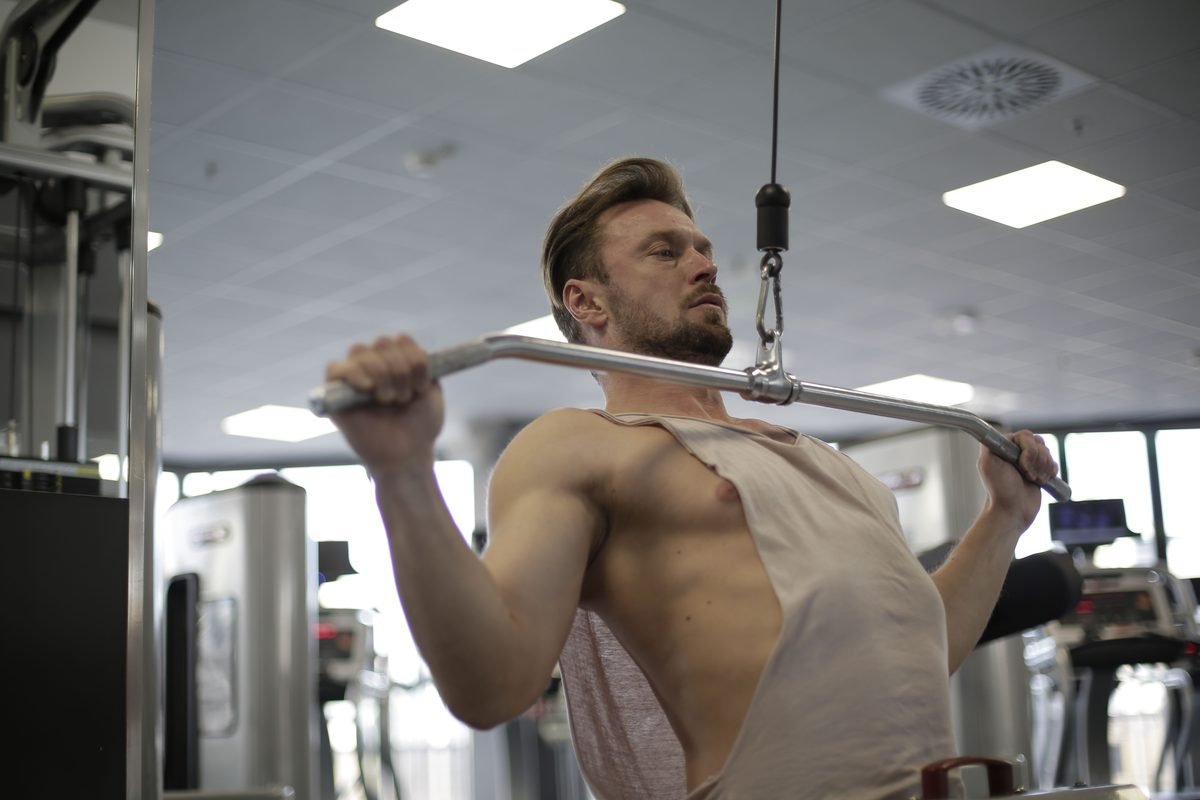
- Lat pulldown or assisted pull-up: 3 × 8–12
- Biceps curl: 2 × 10–15
- Calf raise: 2 × 12–15
Day C
- Leg press or lunges: 3 × 8–12
- Incline dumbbell press: 3 × 8–12
- Cable or dumbbell row: 3 × 8–12
- Triceps extension: 2 × 10–15
- Hip thrust: 3 × 8–12
When you can complete all sets at the top of the rep range with good form, increase the weight slightly next session.
Step 4: Eat Enough Protein
Protein supplies the amino acids your body uses to repair and build muscle. How to Build Muscle A large 2018 meta-analysis by Morton and colleagues found that benefits for muscle gain leveled off at around 1.6 grams per kilogram of body weight per day, with an upper confidence limit near 2.2 g/kg.
That is why you see different numbers across articles. Basic health guidelines, such as the 0.8 g/kg figure, are for preventing deficiency, not for maximizing muscle.
Practical protein target for building muscle: 1.6 to 2.2 g/kg per day.
Example: a person weighing 80 kg (about 175 lb) should aim for roughly 128 to 176 grams per day.
Spread your protein over 3 to 5 meals. Research by Schoenfeld and Aragon suggests about 0.4 g/kg per meal across four meals is a sensible approach, which is around 30 to 35 grams per meal for an 80 kg person.
Good protein sources:
- Eggs, Greek yogurt, cottage cheese, milk
- Chicken, turkey, lean beef
- Fish such as salmon and tuna
- Lentils, beans, tofu, tempeh
- Whey, casein, or pea protein powder when food is not enough
Safety note: high protein intakes are generally considered safe for healthy people, but if you have kidney disease or another medical condition, speak with your doctor before increasing protein.
Step 5: Eat Enough Calories
Muscle is expensive to build. If you eat too little, your body has less energy available for growth.
For most people, a small calorie surplus works well. How to Build Muscle A common recommendation is about 250 to 500 calories above maintenance per day, or roughly 5 to 10% above your needs.
How to find your starting point:
- Estimate your maintenance calories with an online calculator.
- Add 250 to 300 calories.
- Track your body weight weekly for 3 to 4 weeks.
- If your weight is not rising slowly, add another 100 to 200 calories.
A healthy rate of gain for most lifters is roughly 0.25 to 0.5% of body weight per week. How to Build Muscle Gaining faster than that mostly adds body fat.
Carbs and fats:
- Carbohydrates fuel your training. Rice, potatoes, oats, fruit, and whole grains are good options. How to Build Muscle Most people do well with carbs making up a large share of their remaining calories.
- Fats support hormones and overall health. A common range is about 0.5 to 1.5 g/kg per day, from sources such as olive oil, nuts, avocado, and fatty fish.
Can you build muscle while losing fat? Yes, mainly beginners, people returning after a break, and those with higher body fat. Keep protein high, lift hard, and use a modest calorie deficit.
Step 6: Use Supplements Wisely
Supplements are optional. They help at the margins, but they cannot replace training, food, and sleep.
Creatine monohydrate is the best-supported supplement for strength and muscle. The International Society of Sports Nutrition position stand supports 3 to 5 grams per day. It is inexpensive and well studied.
Protein powder is simply convenient food. It helps if you struggle to reach your daily protein target.
Caffeine can improve training performance for some people. Start with a small amount, and avoid it late in the day so it does not disrupt sleep.
Be skeptical of supplements that promise fast results, such as testosterone boosters and “proprietary blends.” The evidence for most of them is weak.
Step 7: Recover and Sleep
Muscle is built during recovery, not in the gym.
- Sleep 7 to 9 hours per night. Poor sleep affects training performance, appetite, and recovery.
- Take 1 to 2 rest days per week, with light walking or mobility work if you like.
- Manage stress. Busy weeks make recovery harder, so lower your volume slightly if you feel run down.
- Warm up and use good form to reduce injury risk. A few lighter sets before your heavy sets is enough.
If you feel persistent pain, dizziness, or unusual fatigue, stop and see a healthcare professional.
How Fast Can You Build Muscle?
Muscle growth is slower than most people expect. Rates vary a lot between individuals, so treat these as rough estimates rather than guarantees:
- Beginners often gain around 0.5 to 1% of body weight in muscle per month during the first year, if training and nutrition are consistent.
- Intermediate lifters gain more slowly, often about half that rate.
- Advanced lifters may gain only a few pounds of muscle per year.
Most people notice strength gains within 2 to 4 weeks and visible changes after roughly 8 to 12 weeks. A big part of early strength gains comes from your nervous system learning the movements, not just bigger muscles.
If someone promises dramatic muscle gain in a few weeks, they are either selling something or measuring water and fat.
How to Build Muscle: Special Situations
Women
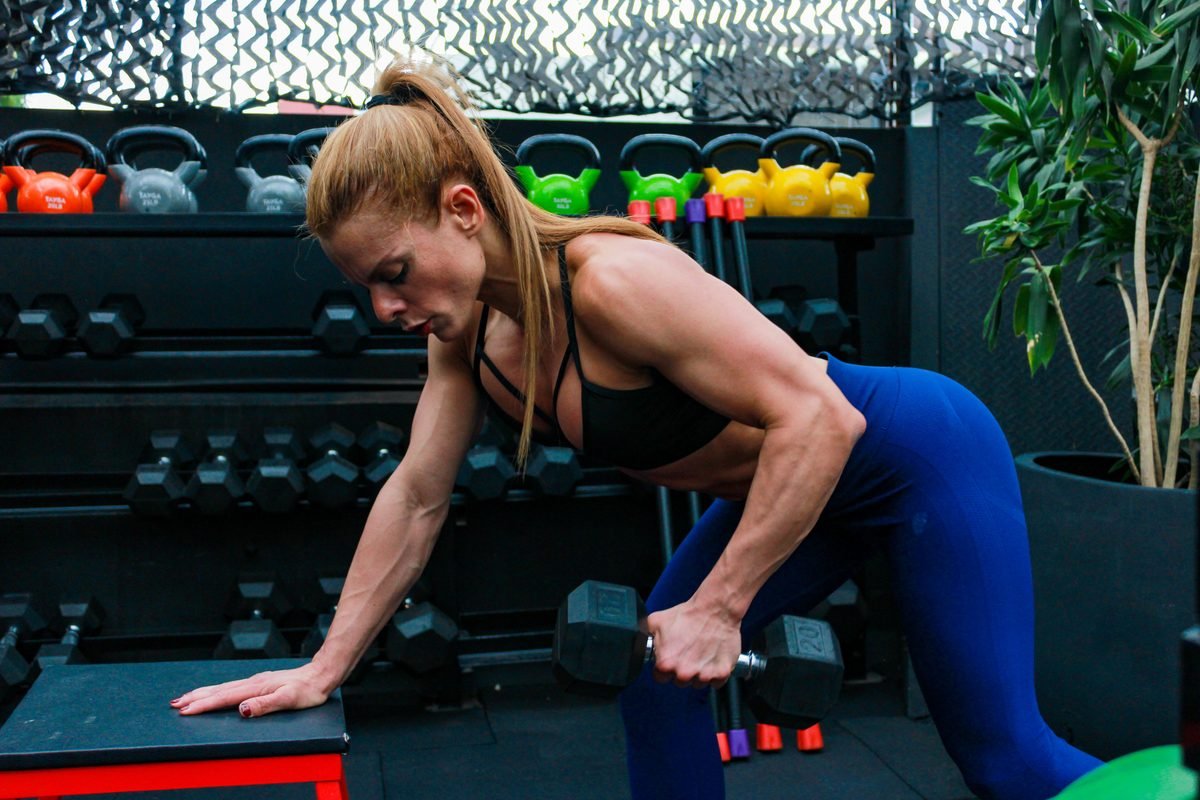
The principles are the same for women. How to Build Muscle Women generally build muscle more slowly in absolute terms because they have lower testosterone, but they respond well to resistance training. Lifting will not make you “bulky” by accident. Follow the same sets, reps, and protein targets, and progress at your own pace.
Adults over 40 and older adults
Adults lose roughly 3 to 5% of muscle mass per decade after about age 30 if they are inactive. How to Build Muscle Resistance training is the most effective way to slow that. Older adults should:
- Lift at least twice per week
- Prioritize leg strength and balance
- Keep protein toward the higher end of the recommended range
- Allow extra recovery between sessions, often 48 hours or more
Check with your doctor first if you have joint problems, heart disease, or other health conditions.
Skinny or “hardgainer” lifters
Most “hardgainers” are simply not eating enough. Increase calories steadily, eat more often, add calorie-dense foods such as nuts, olive oil, and whole milk, and keep training volume moderate.
Training at home
You can build muscle at home with dumbbells, resistance bands, or even bodyweight. How to Build Muscle Progress by using harder variations (for example, push-ups with feet elevated), adding reps, slowing the tempo, and taking sets near failure.
7 Mistakes That Stop Muscle Growth
- Not tracking workouts. Without numbers, progressive overload is guesswork.
- Stopping sets far from failure. Easy sets give little growth stimulus.
- Changing programs too often. Stick with a plan for at least 8 to 12 weeks.
- Under-eating. Without enough calories and protein, growth slows.
- Neglecting legs and back. These are large muscle groups with big benefits.
- Skipping sleep. Poor sleep undermines everything else.
- Expecting overnight results. Consistency over months is what works.
Frequently Asked Questions
How often should I train to build muscle?
Two to four days per week works for most people, hitting each muscle roughly twice weekly.
How many reps build the most muscle?
Anywhere from about 5 to 30 reps can work if sets are taken close to failure. Most people do well with 6 to 15.
How much protein do I need to build muscle?
Around 1.6 to 2.2 grams per kilogram of body weight per day.
Do I need supplements?
No. Creatine is the best-supported option, but food, training, and sleep matter more.
Can I build muscle without a gym?
Yes, with resistance bands, dumbbells, or bodyweight exercises, provided you keep progressing the difficulty.
How long until I see results?
Strength usually improves within weeks, and visible muscle changes often show after about 8 to 12 weeks.
Final Thoughts
To build muscle, lift challenging weights close to failure, do enough weekly sets, train each muscle about twice per week, eat 1.6 to 2.2 g/kg of protein, keep a small calorie surplus, and sleep well. Track your workouts, change one thing at a time, and give your plan months, not days.
Start with the 3-day plan above, stay consistent for 12 weeks, and adjust from there.